As the global electronics industry moves toward more sustainable and health-conscious manufacturing practices, the demand for high-performance bonding agents has never been higher. This professional report highlights the strategic advantages of sourcing from a Lead-Free Eco-Friendly Solder Wire Factory Direct outlet to help international PCBA manufacturers meet stringent environmental compliance. By choosing a Lead-Free Eco-Friendly Solder Wire Factory Direct partner in 2026, businesses can ensure their production lines utilize high-purity tin-silver-copper alloys that adhere to RoHS and REACH standards, effectively eliminating toxic lead exposure while maintaining the superior wetting and thermal stability required for advanced circuitry in automotive and medical electronics.
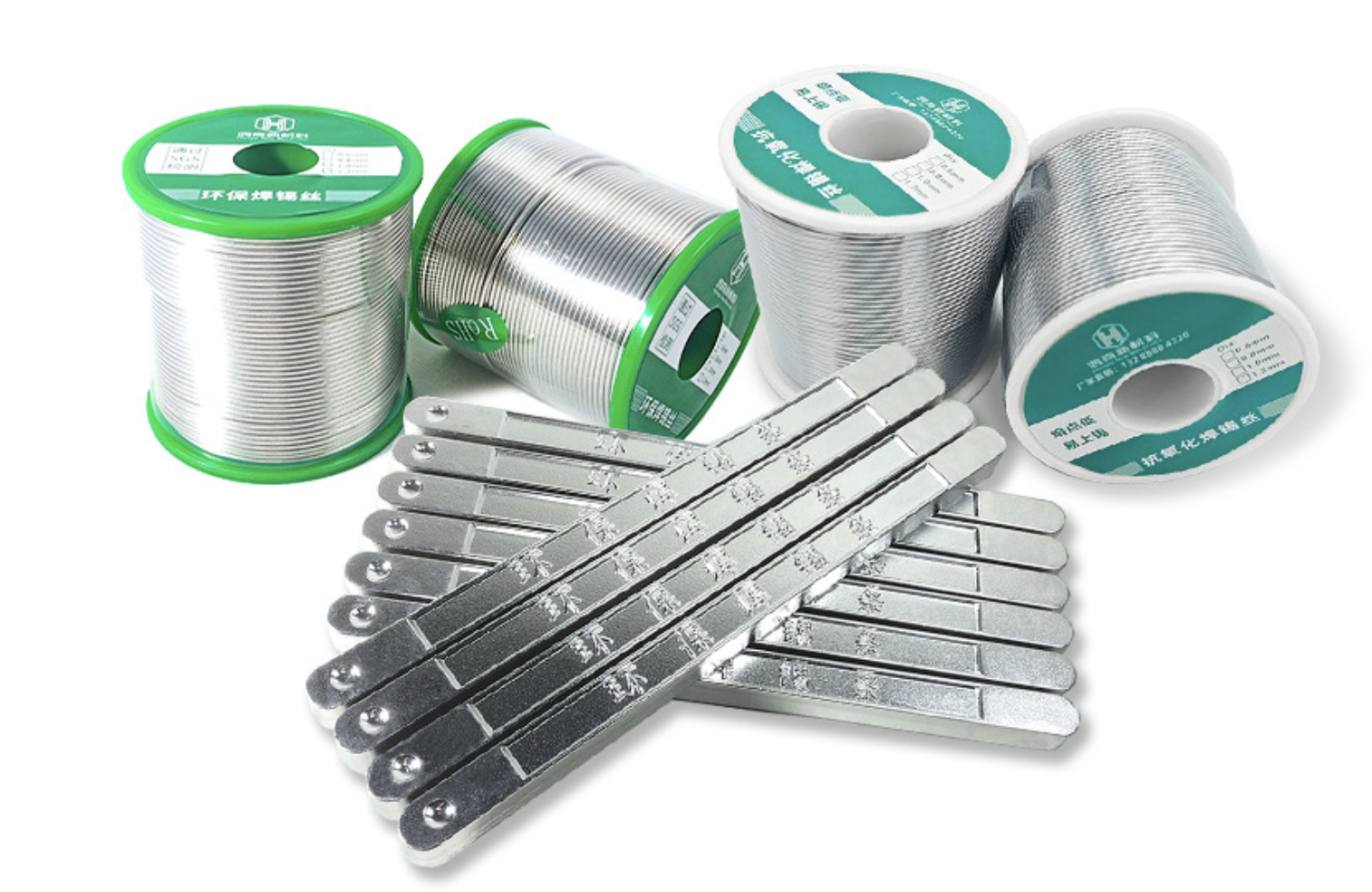
The Strategic Edge of Lead-Free Eco-Friendly Solder Wire Factory Direct
Transitioning to lead-free (Pb-free) soldering is no longer just a legal requirement; it is a hallmark of premium electronic engineering. Sourcing through a Lead-Free Eco-Friendly Solder Wire Factory Direct channel (工厂直销) provides a level of purity that is often compromised in the multi-tiered distribution market.
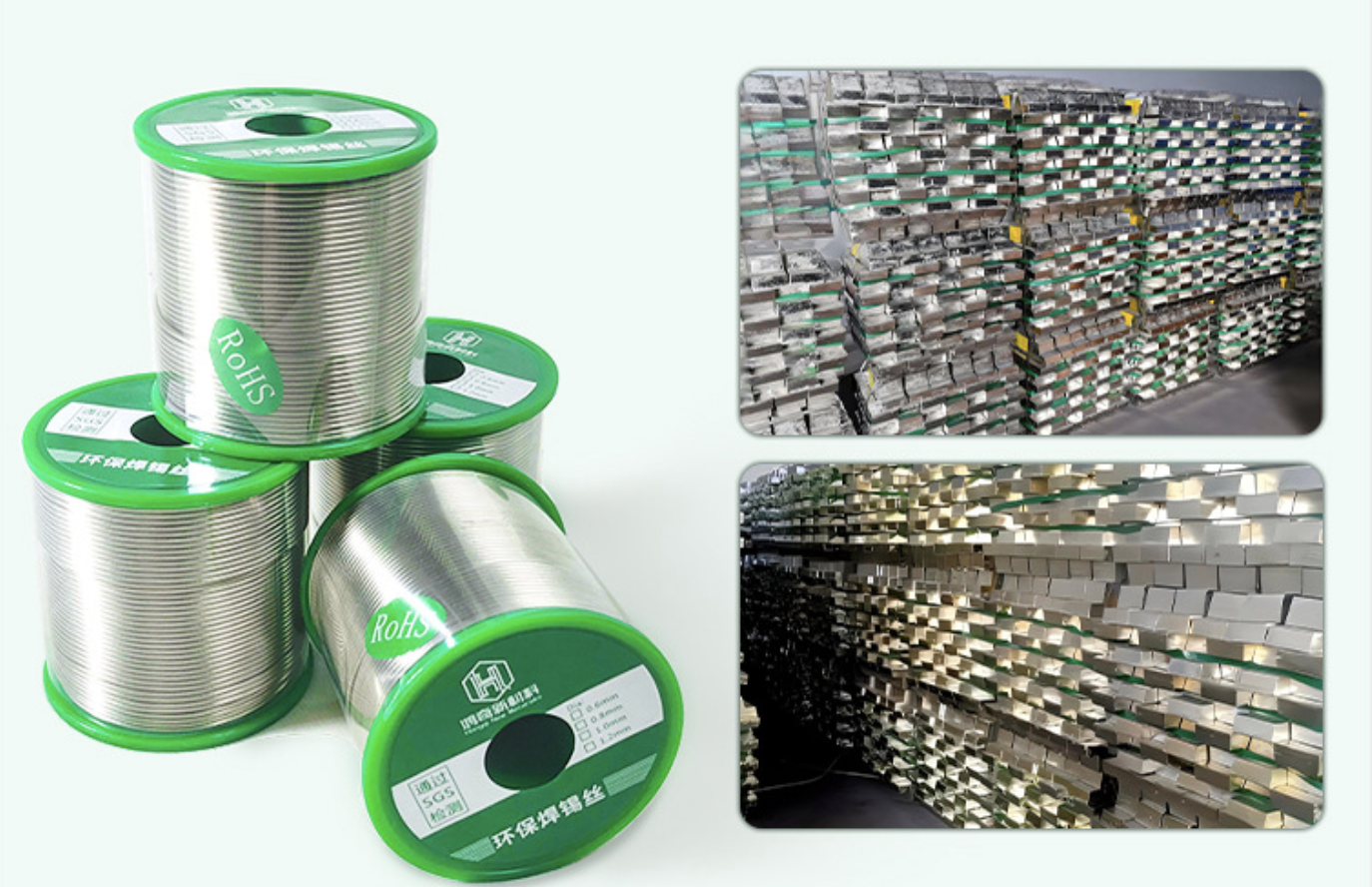
Why is “Factory Direct” essential for lead-free materials? Lead-free alloys, such as SAC305 or Sn-Cu series, are highly sensitive to “cross-contamination.” If a factory also processes leaded solder on the same equipment without rigorous cleaning, the “eco-friendly” status of the wire is compromised. A dedicated Lead-Free Eco-Friendly Solder Wire Factory Direct supplier operates specialized “Green-Only” production lines. This ensures that the lead content is consistently below 100ppm, protecting your company from legal liabilities and ensuring that your products can be exported to markets with the strictest environmental codes, such as the EU and Japan.
Technical Breakdown: Choosing the Right Eco-Friendly Alloy
When browsing a Lead-Free Eco-Friendly Solder Wire Factory Direct catalog, you must select the alloy that best matches your thermal profile and component sensitivity:
1. SAC305 (Sn96.5Ag3.0Cu0.5)
-
The Industry Standard: This is the most widely used lead-free alloy due to its excellent fatigue resistance.
-
Best For: High-reliability boards, such as those found in EV control modules or telecommunications hardware.
2. Sn-Cu (Sn99.3Cu0.7)
-
The Cost-Effective Choice: A silver-free alternative that significantly reduces the Bill of Materials (BOM) cost.
-
Best For: Consumer electronics and household appliances where extreme thermal cycling is less of a concern.
3. Low-Temperature Bi-Alloys (Sn42Bi58)
-
The Heat Protector: Features a much lower melting point ($138^\circ\text{C}$).
-
Best For: Heat-sensitive components like ultra-thin LEDs or plastic-housed sensors.
Step-by-Step Guide: How to Transition to Lead-Free Soldering
If your assembly line is switching to materials from a Lead-Free Eco-Friendly Solder Wire Factory Direct supplier, follow these technical steps to avoid common defects like “cold joints” or “bridging”:
-
Recalibrate Your Soldering Iron Temperature: Lead-free solder typically melts at $217^\circ\text{C}$ to $227^\circ\text{C}$, which is about $30^\circ\text{C}$ to $40^\circ\text{C}$ higher than traditional Sn63Pb37. Why? If you keep your old temperature settings, the solder won’t flow (wet) correctly, leading to weak mechanical bonds.
-
Select the Correct Flux Core: Ensure your factory-direct wire contains “Synthetic No-Clean” or “Water-Wash” flux. The Procedure: For manual soldering, a 2.2% flux core is standard. Why? Lead-free alloys oxidize faster at high temperatures; the flux must be chemically aggressive enough to remove oxides instantly but stable enough not to leave corrosive residues.
-
Upgrade Your Soldering Tips: Lead-free alloys are “corrosive” to standard copper tips due to the high tin content. The Logic: Use iron-plated “Long Life” tips specifically designed for lead-free use. This prevents “pitting” and ensures consistent heat transfer during high-volume production.
Comparison: Traditional Leaded vs. Eco-Friendly Solder
| Feature | Leaded Solder (Sn63Pb37) | Lead-Free Eco-Friendly Solder Wire |
| Melting Point | $183^\circ\text{C}$ | $217^\circ\text{C} – 227^\circ\text{C}$ |
| Environmental Impact | High (Toxic) | Zero (Eco-Friendly) |
| Wetting Ability | Excellent | Good (Requires Higher Heat/Flux) |
| Joint Appearance | Shiny/Bright | Slightly Dull/Grainy (Normal) |
FAQ: Common Questions in Eco-Friendly Soldering
Q: Why does lead-free solder look “dull” compared to shiny leaded solder?
A: This is a natural metallurgical property of tin-rich alloys. While a shiny joint was a sign of quality in the past, a “dull” but smooth joint from a Lead-Free Eco-Friendly Solder Wire Factory Direct source is perfectly reliable and passes all IPC-A-610 inspection standards.
Q: Can I use lead-free wire on a board that already has leaded components?
A: This is called “mixed technology” and is generally discouraged. Why? The different melting points can cause “internal stress” within the joint as it cools, leading to microscopic cracks over time. For the best reliability, keep your entire process lead-free.
Q: What is “Tin Whiskering” and does your wire prevent it?
A: Tin whiskers are microscopic conductive filaments that can grow from pure tin surfaces. Our Lead-Free Eco-Friendly Solder Wire Factory Direct products include specific “doping” elements like Nickel or Germanium to suppress whisker growth, ensuring long-term safety in aerospace and medical devices.
Summary: Building a Greener Electronic Future
In conclusion, choosing a Lead-Free Eco-Friendly Solder Wire Factory Direct partner is a vital step for any manufacturer committed to quality and sustainability. As we move through 2026, the global shift toward “Green PCBA” is accelerating. By prioritizing high-purity alloys, specialized flux chemistries, and direct factory traceability, you not only protect the environment and your workers but also enhance the marketability of your products in a world that increasingly values corporate social responsibility.
Keywords & Tags:
Lead-Free Eco-Friendly Solder Wire Factory Direct, RoHS Compliant Solder Wholesale, SAC305 Solder Wire Manufacturer, Sn-Cu Lead-Free Solder, No-Clean Solder Wire Sourcing, Electronic Solder Factory Direct, Eco-Friendly Soldering Materials, IATF 16949 Solder Factory, Lead-Free Solder for EV Electronics, Green Electronics Manufacturing 2026