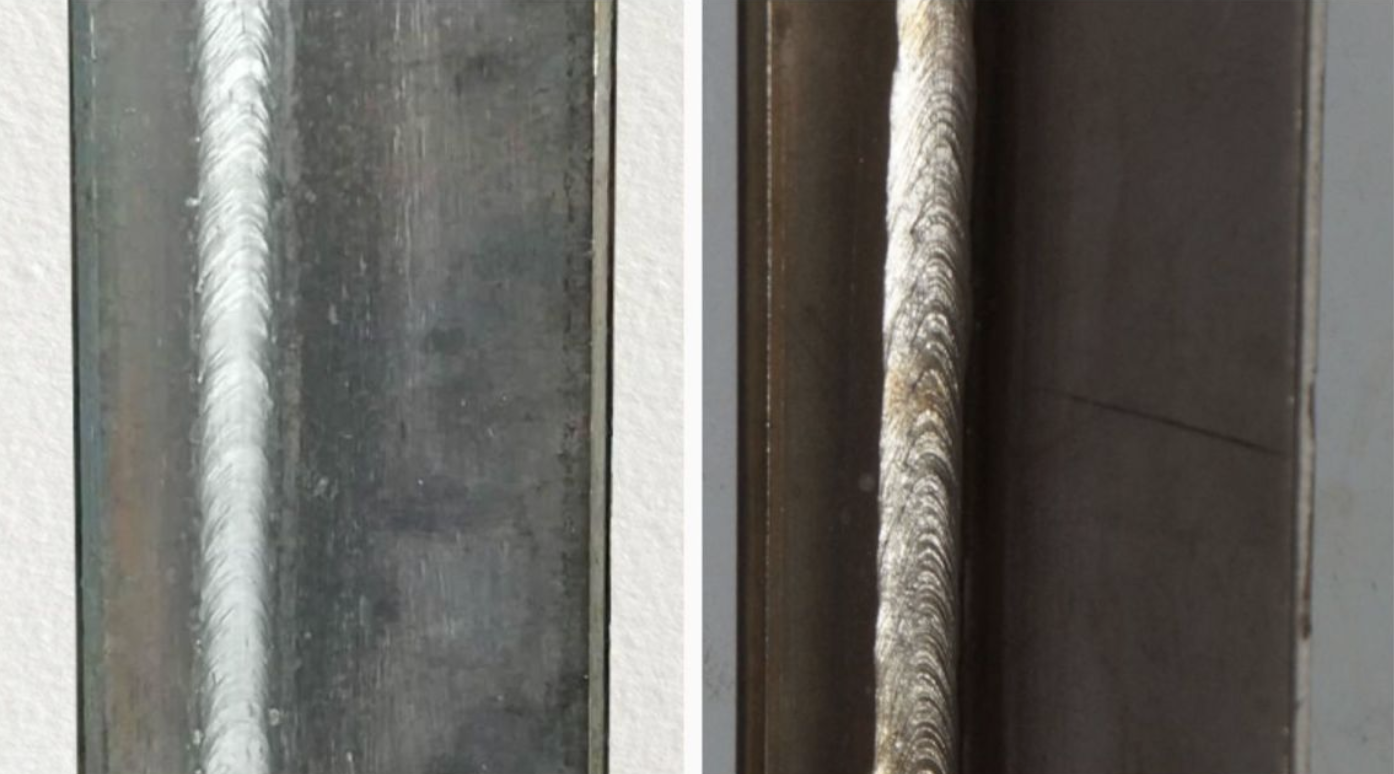
In the competitive landscape of modern manufacturing, the integrity of a finished product is often determined by the molecular bond created during the assembly process. This comprehensive industry report explores the strategic benefits of Welding Material Factory Procurement to help global distributors and PCBA manufacturers ensure structural and electrical excellence. By prioritizing a direct channel for Welding Material Factory Procurement in 2026, international buyers can secure high-purity solder alloys, flux, and specialized brazing rods that meet the latest environmental regulations while significantly reducing the risk of “cold joints” and brittle fractures in high-stress applications such as automotive electronics and renewable energy infrastructure.
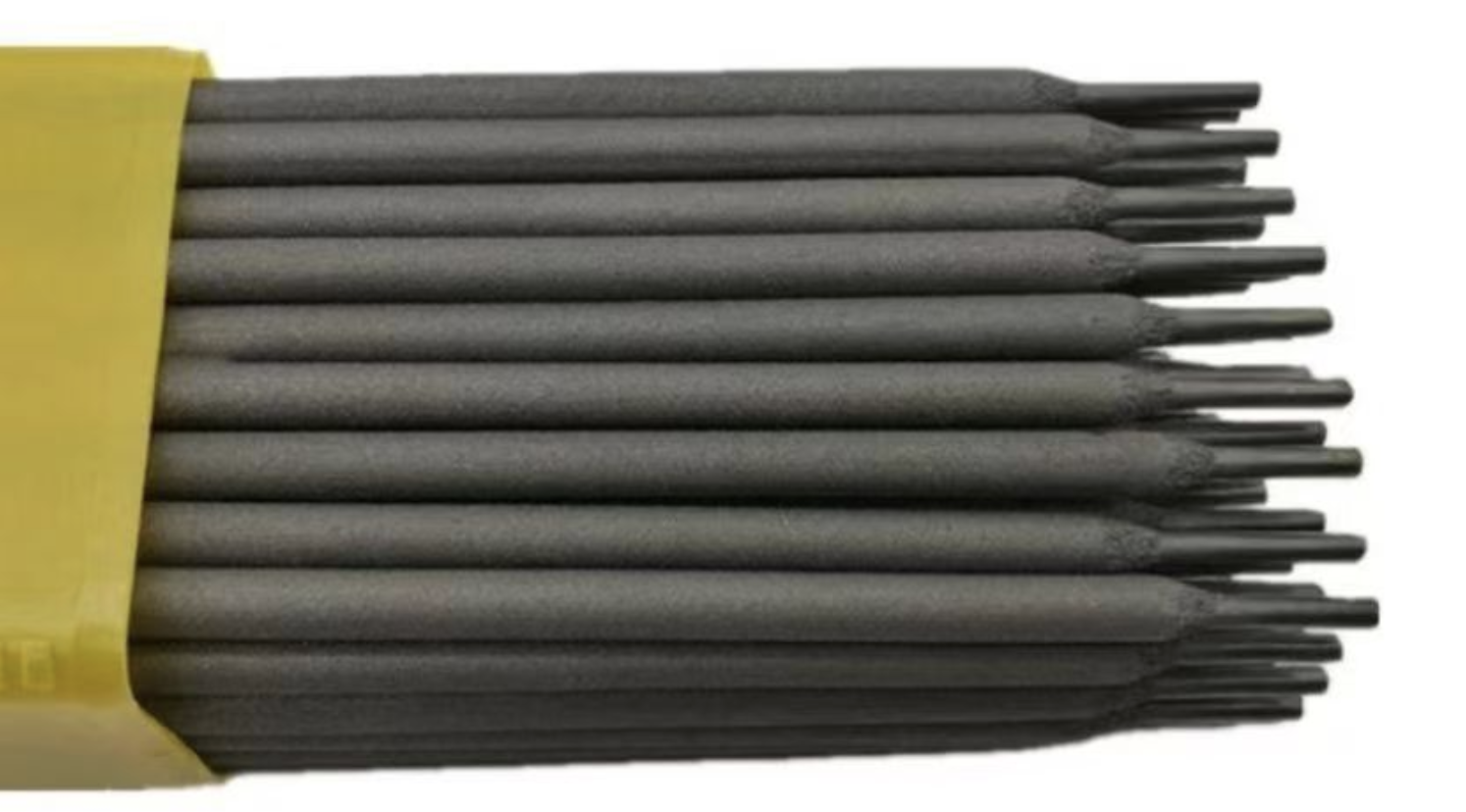
The Strategic Edge of Welding Material Factory Procurement
Welding and soldering materials are the “glue” of the industrial world. Engaging with a dedicated Welding Material Factory Procurement partner (厂家采购) provides a level of chemical traceability that open-market traders simply cannot offer.
Why is factory-direct sourcing critical for 2026? As electronics miniaturize and industrial machines face harsher environments, the chemical composition of the solder or welding rod must be exact. A source factory utilizes vacuum melting and continuous casting technology to ensure that impurities like lead (in RoHS-compliant lines) or bismuth are controlled within parts-per-million (PPM). Through a professional Welding Material Factory Procurement agreement, you gain access to “Fresh Batch” materials. This is vital because flux-cored wires and solder pastes have a shelf life; sourcing directly ensures you aren’t receiving oxidized stock that has been sitting in a third-party warehouse for months.
Technical Breakdown: Selecting the Right Welding Alloys
When navigating a Welding Material Factory Procurement catalog, understanding the metallurgy behind the bond is essential for long-term product reliability:
1. Solder Paste and Wire (Electronics)
-
SAC305 (Sn96.5Ag3.0Cu0.5): The industry standard for lead-free reflow. It offers excellent wetting and fatigue resistance.
-
Low-Temperature Solder (Sn42Bi58): Ideal for heat-sensitive components like LEDs and plastic-integrated sensors.
-
Why it matters: Using high-temperature solder on sensitive components can cause “popcorning” or internal delamination.
2. Industrial Welding Rods and Flux-Cored Wires
-
Stainless Steel Rods (ER308L): Features low carbon content to prevent intergranular corrosion in the weld zone.
-
Aluminum Alloys (ER4043): Specifically designed for high-vibration automotive frames due to its silicon content, which increases fluidity and reduces shrinkage cracks.
Step-by-Step Guide: How to Audit a Welding Material Supplier
If you are a procurement manager initiating a Welding Material Factory Procurement strategy, follow these detailed verification steps to ensure OE-grade quality:
-
Analyze the Melt Analysis Report: Every batch should come with a chemical analysis certificate. Why? You need to verify the “Solidus” and “Liquidus” temperatures. If the melting point varies by even $5°C$, your automated welding machines will produce inconsistent results.
-
Verify Flux Content and Type: For cored wires, specify the flux percentage (usually 1.1% to 3.3%). The Procedure: Ask the factory for the “Halide-Free” certification if you are working on high-reliability aerospace boards. Why? Halides can cause long-term corrosion if not cleaned properly after welding.
-
Check for Vacuum Packaging: Ensure that solder pastes and fine wires are stored in nitrogen-flushed or vacuum-sealed containers. The Logic: Moisture is the enemy of welding. If the material absorbs humidity, it can cause “spattering” during the welding process, leading to dangerous debris on the PCB or metal frame.
Comparison: Solder Paste vs. Solid Wire vs. Flux-Cored Wire
| Material Type | Primary Application | Ease of Use | Best Sourcing Channel |
| Solder Paste | Automated SMT Assembly | High (Requires Stencil) | Direct Factory (Cold Chain) |
| Solid Wire | Gas Shielded (MIG/TIG) | Moderate (Requires Gas) | Factory Wholesale |
| Flux-Cored Wire | Outdoor / Maintenance | Highest (Self-Shielding) | Direct Factory Procurement |
FAQ: Common Questions in Welding Material Procurement
Q: Why does my solder joint look “dull” instead of “shiny”?
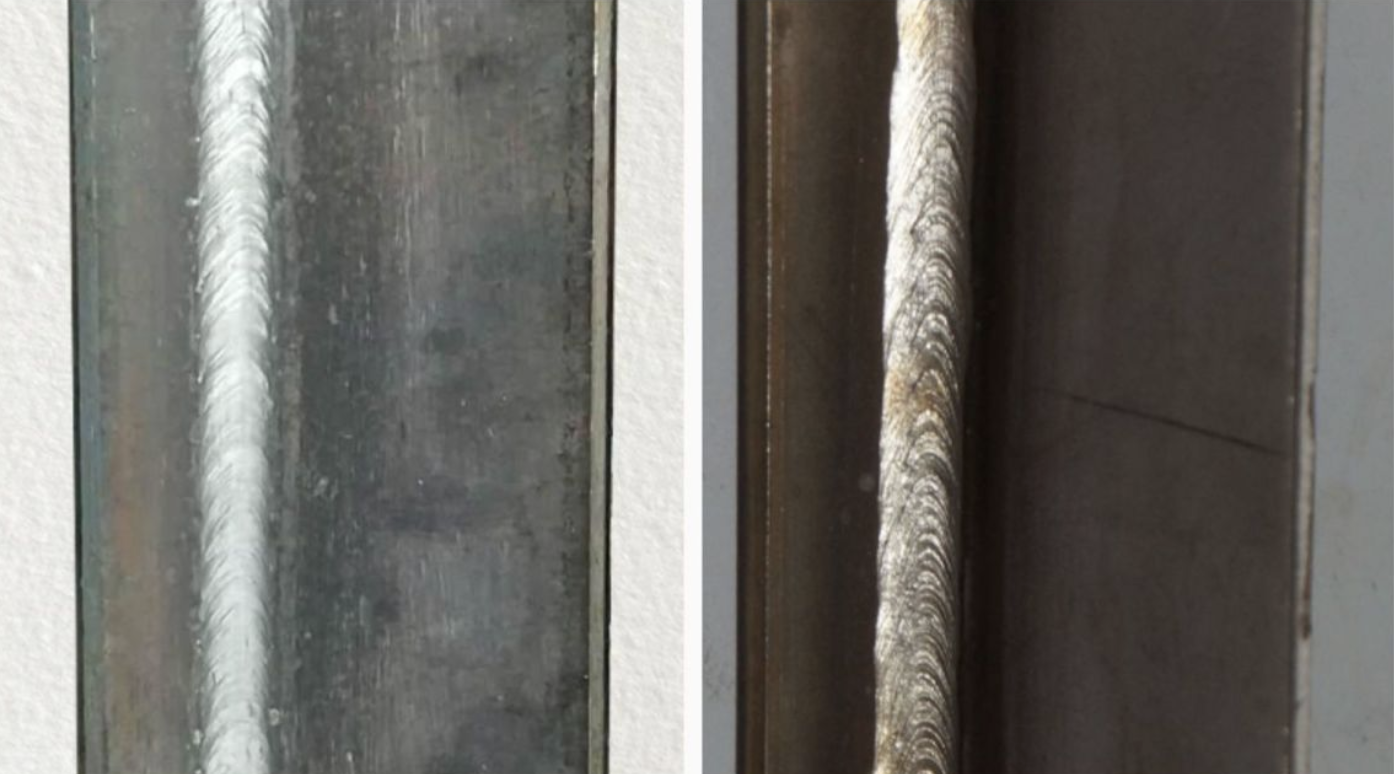
A: With lead-free materials, a dull finish is often normal. However, if it’s accompanied by graininess, it may be a “cold joint.” Sourcing through Welding Material Factory Procurement ensures your flux chemistry is optimized for the specific alloy, which improves the visual and structural quality of the joint.
Q: Can I use the same welding wire for different grades of stainless steel?
A: It is generally recommended to match the filler metal to the base metal. For example, use 308L wire for 304 stainless steel. Using the wrong material can lead to “Galvanic Corrosion” where the weld becomes the sacrificial anode and rusts faster than the surrounding metal.
Q: What is the benefit of “No-Clean” flux?
A: No-Clean flux is designed to leave a non-conductive, non-corrosive residue. It eliminates the washing step in manufacturing, saving thousands of dollars in water treatment and labor costs.
Conclusion: Strengthening the Industrial Chain
In conclusion, a successful Welding Material Factory Procurement partnership is about more than just securing a low price; it is about ensuring the fundamental safety of your engineering output. As global standards for reliability become stricter in 2026, the purity of your alloys and the stability of your flux will define your market reputation. By focusing on batch traceability, specialized alloy selection, and proper environmental storage, you ensure that every bond your company creates is a permanent testament to quality and precision.
Keywords & Tags:
Welding Material Factory Procurement, Lead-Free Solder Wholesale, SAC305 Solder Paste Supplier, Welding Wire Manufacturer, Industrial Flux Sourcing, Brazing Rod Wholesale, RoHS Compliant Solder, MIG TIG Welding Consumables, Electronic Solder Sourcing, IATF 16949 Welding Materials