Safety First: The Definitive Guide to Explosion Proof Light Wholesale for Hazardous Environments
In the high-stakes sectors of oil and gas, chemical processing, and mining, equipment failure is not just an inconvenience—it is a catastrophic risk. This technical industry report explores the critical safety benefits of Explosion Proof Light Wholesale to help international safety officers, electrical contractors, and facility managers secure their operations. By establishing a direct channel for Explosion Proof Light Wholesale in 2026, businesses can ensure that their lighting systems meet international ATEX and IECEx standards, providing specialized housings designed to contain internal sparks and prevent the ignition of external flammable gases or dust, effectively safeguarding both human lives and billion-dollar infrastructures in the world’s most volatile work zones.

The Strategic Necessity of Explosion Proof Light Wholesale in 2026
When operating in Zone 1 or Zone 2 hazardous locations, standard lighting is a liability. Engaging with a dedicated Explosion Proof Light Wholesale partner provides a level of legal compliance and engineering durability that generic lighting suppliers cannot offer.
Why is specialized wholesale sourcing mandatory for hazardous sites? The term “Explosion Proof” does not mean the fixture can survive an external blast; rather, it means the housing is robust enough to contain an internal explosion without allowing it to spread to the surrounding atmosphere. Through a professional Explosion Proof Light Wholesale agreement, you gain access to fixtures made from copper-free aluminum and tempered “shatter-proof” glass. These units are engineered with flame paths that cool internal hot gases before they exit the fixture. For a petrochemical refinery, investing in certified wholesale units ensures that even if a component fails internally, the facility remains safe from a secondary fire or explosion.
Technical Breakdown: Understanding Certification and Protection Types
When navigating an Explosion Proof Light Wholesale catalog, you must match the fixture’s rating to the specific hazard present in your facility:
1. Gas vs. Dust Protection
-
Gas Environments (Class I): Common in oil refineries and spray booths. Lighting must be rated for specific gas groups (e.g., Hydrogen or Ethylene).
-
Dust Environments (Class II): Found in grain elevators, sugar mills, and coal mines. The fixture must prevent “Dust Ignition” by maintaining low surface temperatures.
-
Why it matters: A light rated only for gas may fail in a dusty environment if the surface gets hot enough to ignite a layer of flour or coal dust.
2. Temperature Classes (T-Ratings)
A critical feature of any Explosion Proof Light Wholesale product is its T-rating (T1 through T6).
-
The Logic: This rating indicates the maximum surface temperature the light will reach. For example, a T6 rating means the fixture will never exceed $85^{\circ}\text{C}$. This is vital when working with chemicals like Carbon Disulfide, which has an extremely low auto-ignition temperature.
Step-by-Step Guide: How to Select and Install Hazardous Area Lighting
If you are a safety manager initiating an Explosion Proof Light Wholesale procurement, follow these rigorous steps to ensure a compliant installation:
-
Classify the Area: Work with a safety engineer to determine if the site is Zone 0, 1, or 2. Why? This determines whether you need “Ex d” (Flameproof) or “Ex e” (Increased Safety) protection methods.
-
Verify the Certification Markings: Every fixture from a reputable Explosion Proof Light Wholesale source must have a permanent nameplate showing the ATEX/IECEx logo and the specific gas/dust groups it is rated for. The Procedure: Cross-reference the certificate number with the official IECEx online database to ensure the document is current and authentic.
-
Choose the Right Wiring Method: Use explosion-proof conduits and “Chico” sealing compounds. Why? An explosion-proof light is useless if the flame can travel through the electrical conduit. The sealing compound creates an airtight barrier at the entry point of the fixture.
-
Perform Regular Maintenance Checks: Ensure the “Flame Path” surfaces are clean and not painted over. The Logic: Any scratch or layer of paint on the junction between the glass and the metal body can compromise the fixture’s ability to contain an internal spark.
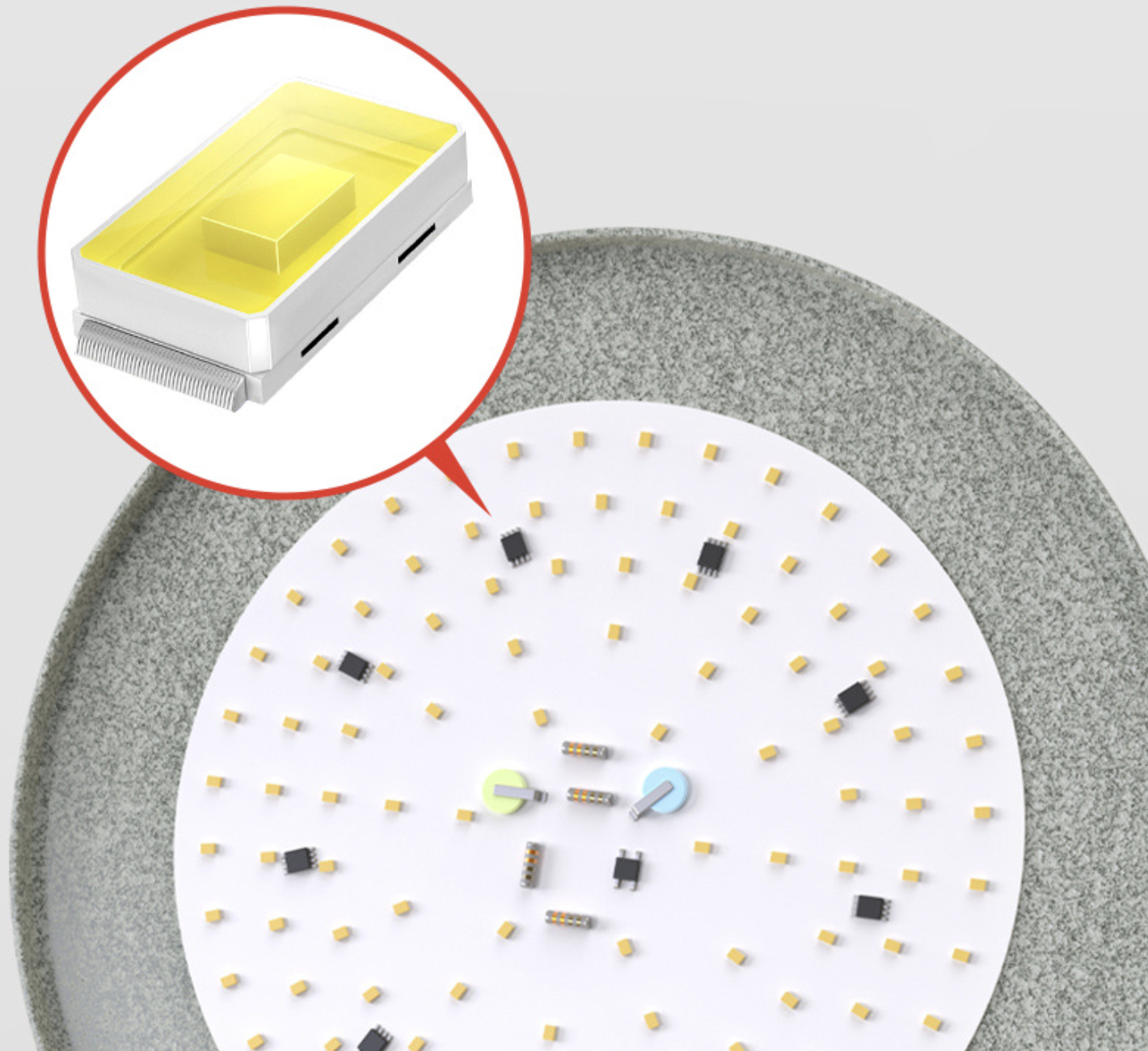
Comparison: LED vs. Traditional HPS Explosion Proof Lights
| Feature | High-Pressure Sodium (HPS) | LED Explosion Proof Light |
| Surface Temperature | Very High (Fire Risk) | Low (Much Safer T-Ratings) |
| Energy Consumption | High | Low (60-70% Savings) |
| Maintenance | High (Bulb changes in haz-loc are dangerous) | Virtually Zero (50,000+ Hours) |
| Vibration Resistance | Poor (Filaments break) | Excellent (Solid State) |
FAQ: Common Questions in Explosion Proof Wholesale
Q: Can I use “Explosion Proof” and “Intrinsically Safe” interchangeably?
A: No. Explosion Proof refers to the physical housing containing an explosion. Intrinsically Safe refers to the electrical circuit being so low-energy that it cannot produce enough heat or a spark to cause ignition in the first place. Most Explosion Proof Light Wholesale products fall into the “Flameproof” category.
Q: Why is the price of these lights so much higher than standard LEDs?
A: The cost is driven by the materials and testing. The housings are much thicker, the glass is specialized, and the factory must pay for third-party audits and rigorous “Explosion Pressure” tests to maintain their certifications. In a hazardous zone, this “safety premium” is a fraction of the cost of an insurance claim or legal penalty.
Q: How do I know if I need IP66 or IP67 for my explosion-proof lights?
A: While all Explosion Proof Light Wholesale units are rugged, IP66 is for heavy rain and sea spray, while IP67 is for temporary submersion. For offshore oil rigs, IP66 with salt-spray resistant coating is typically the standard.
Conclusion: Investing in Zero-Compromise Safety
Partnering with a reliable Explosion Proof Light Wholesale specialist is the most important infrastructure decision a hazardous facility can make. In 2026, industrial safety is governed by strict global transparency. By focusing on certified T-ratings, robust flameproof architectures, and high-efficiency LED drivers, you do more than just light up a workspace—you create a fortress of safety. As industrial regulations continue to tighten, the transition to high-quality, factory-certified explosion-proof lighting is the only way to ensure your facility remains both productive and profoundly safe.
Keywords & Tags:
Explosion Proof Light Wholesale, ATEX Certified Lighting, Hazardous Area LED Sourcing, IECEx Lighting Supplier, Flameproof Light Wholesale, Oil and Gas Lighting, Class 1 Div 1 LED, Industrial Safety Lighting, Mining Light Wholesale, Hazardous Location Supply Chain 2026