
Product Sourcing China | Quality Control Services
When businesses source products from China without implementing quality control services, they expose themselves to a cascade of preventable problems: shipment delays, defective goods, customer complaints, and damaged brand reputation. Many importers learn this lesson the hard way, discovering issues only after containers arrive at their warehouses. The solution is not to avoid product sourcing China altogether, but to integrate professional quality control at every stage of the procurement process.
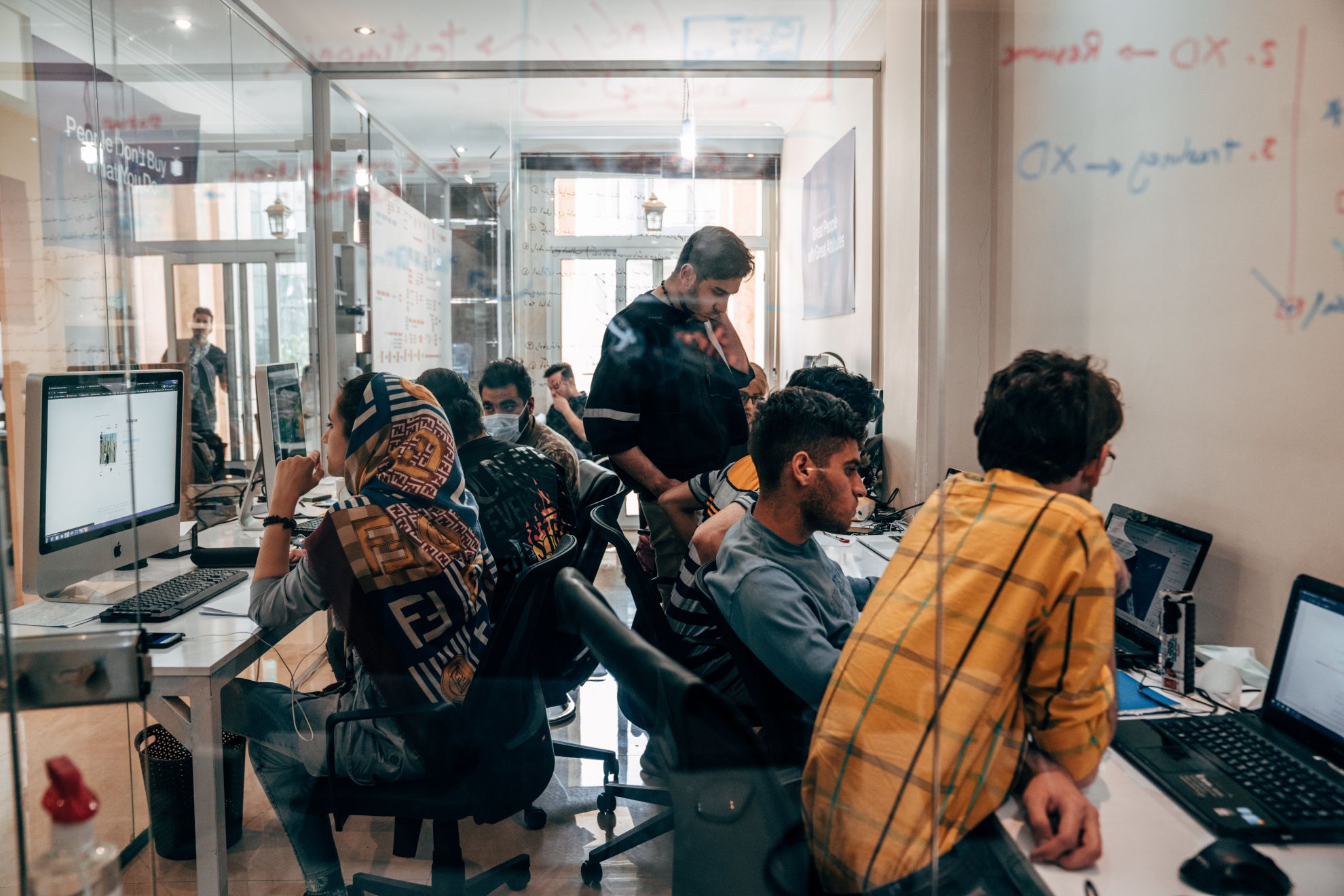
Working with a Reliable manufacturing and procurement partner China helps businesses navigate the complexities of international supply chains while maintaining consistent product standards. Quality control services act as a safety net, catching defects before they become expensive recalls or returns. This article explores how combining strategic product sourcing with rigorous quality control protects your investment and ensures your customers receive products that meet expectations.
The relationship between sourcing and quality control is symbiotic. Even the best manufacturers can experience lapses without oversight, and even the most diligent inspection cannot fix fundamentally flawed product designs. By understanding both processes deeply, importers can build resilient supply chains that deliver consistent results year after year.
The Product Sourcing Process in China
Effective product sourcing China begins long before an order is placed with a factory. The process starts with market research and supplier identification, moves through样品 development and approval, escalates to production planning, and concludes with logistics and delivery. Each stage presents opportunities for quality issues to emerge or be prevented.
Step 1: Supplier Identification and Verification
The foundation of successful sourcing is selecting the right manufacturing partner. Verification should include factory audits, business license confirmation, production capability assessment, and reference checks from existing clients. A professional sourcing agent brings established relationships with vetted manufacturers across multiple product categories, reducing the risk of working with fraudulent or incapable suppliers.
Many first-time importers make the mistake of selecting suppliers based solely on competitive pricing quoted through Alibaba inquiries. While price matters, it should never be the sole decision factor. Factory location, production capacity, experience with export markets, and communication responsiveness are equally important indicators of a supplier’s reliability.
Step 2: Product Development and Sample Approval
Once a supplier is selected, the样品 (sample) development phase begins. This involves creating prototypes based on product specifications, testing materials, and refining manufacturing processes before committing to bulk production. Rushing through sample approval to meet tight deadlines is a common error that leads to production problems downstream.
Professional quality control services include sample inspection as standard practice. Experts verify that samples match specifications exactly, test materials for durability and safety compliance, and document any deviations for engineering review. This investment in the样品 phase prevents costly mistakes during mass production.
Step 3: Production Monitoring
During manufacturing, regular factory visits and production monitoring catch issues while correction is still possible. A quality control inspector stationed at or frequently visiting the production facility monitors work progress, checks that workers follow approved processes, and verifies that material inputs match specifications.
Production monitoring proves particularly valuable for complex products with multiple components or intricate assembly processes. Electronics, for example, require component-level tracking to ensure compatible parts are used throughout assembly. Apparel production needs color consistency verification across different batches of fabric.
Step 4: Pre-Shipment Inspection
Before goods leave the factory, a pre-shipment inspection provides the final quality checkpoint. Inspectors examine finished products against the approved sample and specification checklist, perform functional testing, verify packaging and labeling, and confirm correct quantities. Only after passing pre-shipment inspection should goods be released for shipping.
Working with a China sourcing agent for cross border ecommerce ensures this critical step is not skipped due to factory pressure or importer urgency. The small cost of pre-shipment inspection prevents the much larger costs of receiving defective goods.
Step 5: Logistics and Delivery
The final stage of product sourcing involves coordinating shipping, customs clearance, and delivery to the importer’s warehouse. Even perfect products can be damaged during transit through improper handling, inadequate packaging, or container issues. Quality control extends to verifying that packaging meets transit requirements and that shipping documentation is accurate and complete.
Quality Control Services Explained
Quality control services encompass a range of inspection types designed to catch problems at different stages of production. Understanding these service types helps importers determine which inspections are most critical for their specific products and risk tolerance.
Pre-Production Inspection (Pilot Run Inspection)
Pre-production inspection occurs before mass production begins, typically when the first small batch or pilot run is completed. The purpose is to verify that the factory correctly interprets product specifications and that initial production processes yield acceptable results. Problems identified during pre-production inspection can be corrected before the full production run begins, avoiding thousands of defective units.
During pre-production inspection, experts examine material quality, component specifications, workmanship against approved samples, and packaging materials. Any issues are documented with photographic evidence and communicated immediately to the factory and importer for corrective action.
During Production Inspection (DPI)
During production inspection, also called In-Process Inspection, takes place when production is 20-50% complete. This timing allows inspectors to verify that quality standards are being maintained throughout the production run, not just at the end. If defects are discovered mid-production, the factory can implement corrective measures for the remaining work.
DPI is particularly valuable for new suppliers with whom the importer has limited history. It also proves essential for products where defects一旦 produced at scale become systemic rather than isolated. Electronics manufacturing, for instance, benefits significantly from during-production oversight as component placement errors can affect entire production batches.
Pre-Shipment Inspection (PSI)
Pre-shipment inspection is the most commonly used quality control service and often the minimum expectation for importers. Conducted when production is 100% complete and at least 80% packed, PSI involves random sampling according to statistical standards to determine whether the overall lot meets acceptable quality levels.
The inspector performs visual inspection, functional testing, measurement verification, and packaging checks. Products that fail to meet standards are rejected, and the factory must complete corrective action before goods are released. Professional QC companies provide detailed inspection reports with photographs, enabling importers to make informed acceptance decisions.
Container Loading Supervision
For high-value shipments or products sensitive to handling damage, container loading supervision provides an additional layer of protection. An inspector witnesses the loading process, verifies that products are properly secured, checks container condition, and confirms that quantities match shipping documents.
This service proves particularly valuable for fragile products like glassware, ceramics, or electronics that can be damaged by improper stacking or container contamination. It also protects against shipping short-cuts such as removing items from containers before sealing.
Choosing the Right QC Inspection Level
Not all products require the same inspection intensity. Quality control services offer different inspection levels, and selecting the appropriate level balances quality assurance needs against inspection costs.
Understanding AQL Tables
Acceptable Quality Limit (AQL) tables provide the statistical foundation for most quality control inspections. AQL represents the maximum percentage of defective items that can be considered acceptable in a random sample of products inspected. Standard AQL levels vary by defect category: critical defects typically use AQL 0 (zero tolerance), major defects commonly use AQL 1.0 or 2.5, and minor defects may use AQL 4.0.
When selecting AQL levels, importers must consider the product’s end use and potential consequences of defects. A critical defect affecting user safety requires zero tolerance regardless of cost. A minor cosmetic defect might be acceptable at higher AQL levels if correction would be prohibitively expensive relative to the defect’s impact.
Critical, Major, and Minor Defects
Critical defects are product failures that could cause harm to users or violate regulatory requirements. Examples include electrical safety failures, choking hazards from small parts, toxic material exposure, or structural failures in weight-bearing products. Critical defects require immediate rejection and cannot be negotiated.
Major defects prevent products from functioning as intended or significantly detract from usability and appearance. A garment with a broken zipper, an electronic device that fails to power on, or furniture with structural instability all represent major defects. These defects typically require the importer’s approval for any acceptance despite statistical sampling results.
Minor defects are cosmetic or functional issues that do not significantly impact product usability or marketability. Small scratches in less visible areas, minor color variations, or stitching irregularities that do not affect garment integrity fall into this category. Minor defects are typically evaluated against AQL standards but may be accepted based on importer discretion.
Inspection Sample Size
Statistical sampling requires selecting sample sizes according to established standards, typically referencing MIL-STD-105E or ISO 2859-1 tables. Sample size depends on lot size, with larger productions requiring proportionally larger samples to maintain statistical validity. Common sample sizes range from 50 units for small lots to 200 units for large productions.
Cutting corners on sample size reduces inspection reliability. Some factories or unethical inspectors reduce sample sizes to artificially improve acceptance rates, passing lots that would fail with proper statistical sampling. Working with reputable quality control services ensures proper sampling protocols are followed.
Product Sourcing for Different Categories
Different product categories present unique quality challenges and require tailored inspection approaches. Understanding category-specific risks helps importers prioritize inspection resources effectively.
Electronics and Electrical Products
Electronics product sourcing China requires particular attention to safety compliance, functional testing, and component verification. Products must meet destination market electrical standards, which vary significantly between the United States, European Union, and other regions. Common quality issues include incorrect voltage configurations, inadequate insulation, substandard components that fail prematurely, and charger compatibility problems.
Quality control for electronics should include dielectric strength testing, grounding continuity verification, component authenticity checking to avoid counterfeit parts, and extended function testing beyond simple power-on checks. Labeling must accurately reflect electrical specifications and regulatory compliance marks.
Apparel and Textiles
Apparel quality control focuses on construction integrity, color consistency, sizing accuracy, and packaging completeness. Fabric quality varies dramatically between suppliers, and即使是知名品牌 fabric can be misrepresented by opportunistic manufacturers. Common defects include seam failures, color bleeding, shrinkage exceeding specifications, and incorrect labeling.
Inspectors verify size measurements against specification charts, test colorfastness, check that trims and hardware match approved samples, and confirm that care labels contain correct information. For private label apparel, particular attention must be paid to hang tags and labels that comply with fiber content and country of origin requirements.
Home Goods and Housewares
Home goods encompass a broad range of products including kitchen utensils, home décor, bathroom accessories, and everyday household items. Quality issues vary by product type but often include material composition problems, finish irregularities, functional deficiencies, and packaging damage during transit.
Food-contact items require additional safety verification to ensure materials do not leach harmful substances. Inspection should verify material certifications, test for lead content and other restricted substances, and confirm that products meet relevant food safety standards for the destination market.
Furniture and Home Furnishings
Furniture sourcing presents unique challenges due to size, assembly complexity, and the difficulty of shipping complete units. Many furniture products ship unassembled (flat-pack) to reduce shipping costs and damage risk, requiring customers to complete assembly. Quality control must verify that all hardware is present, assembly instructions are clear, and finished products meet structural stability requirements.
Common furniture defects include surfacefinish irregularities, joint instability, incorrect hardware quantities, and dimensional discrepancies that affect assembly. Furniture inspectors should verify load-bearing capacity, check for sharp edges or points that could cause injury, and confirm that materials match specifications including any flame retardant treatments.
QC vs No QC: The Real Cost of Skipping Inspection
The decision to forego professional quality control services is often driven by a desire to reduce costs. However, the true cost analysis almost always favors inspection, particularly as order values increase.
Case Data: Defect Rates Without Oversight
Industry data consistently shows that factories producing for importers without inspection supervision have significantly higher defect rates than those working under quality control protocols. Studies indicate average defect rates of 10-15% for unsupervised production, compared to 2-5% when professional inspection is implemented throughout production.
These defect rates translate directly to financial impact. An order of 10,000 units with a 15% defect rate yields 1,500 defective products. If those products reach customers, the cost of returns, replacements, refunds, and reputation damage quickly exceeds what professional inspection would have cost.
Risk Categories and Probability
High-value orders (orders exceeding $50,000) carry substantial risk when QC is skipped. The potential loss from defective batches far exceeds inspection costs, which typically range from $200-500 per inspection day. For high-value orders, multiple inspection stages cost a fraction of a percent of order value while providing significant risk reduction.
New supplier relationships inherently carry elevated risk until a proven track record is established. Until the importer has verified that a supplier consistently delivers acceptable quality, inspection services provide essential risk mitigation. Even suppliers with good reputations can have off batches due to personnel changes, material substitutions, or production schedule pressures.
Products with regulatory compliance requirements present legal and financial risks beyond simple defect costs. Non-compliant products can result in recalls, regulatory fines, import seizures, and potential liability claims. The cost of inspection pales in comparison to these potential consequences.
Hidden Costs of Poor Quality
Beyond direct financial losses, poor quality creates hidden costs that accumulate over time. Customer dissatisfaction leads to negative reviews that damage brand perception and future sales. Returns create logistics costs and operational burden. Replacements require additional shipping expenses and inventory management complications.
Perhaps most significantly, quality problems damage the business relationship with suppliers. Disputes over defective goods strain communications and can lead to suppliers prioritizing more cooperative clients. Conversely, suppliers who see that an importer enforces quality standards are often more careful in fulfilling their orders.
Case Study: How a Retailer Avoided a $90K Defective Batch
Consider the experience of a mid-sized retailer specializing in consumer electronics accessories. This importer sourced a container of 5,000 wireless charging pads from a new supplier quoting highly competitive pricing. The total order value was approximately $75,000, and the retailer decided to skip professional inspection to save $400.
Upon receiving the shipment, the retailer discovered that 40% of the charging pads failed to function properly. Some units overheated during use, creating safety concerns, while others failed to charge devices consistently. The defective batch cost the retailer $90,000 when accounting for returns, replacement shipping, customer refunds, and the eventual disposal of unusable inventory.
Had the retailer invested in pre-shipment inspection, the problems would have been identified before shipping. The factory could have been given the opportunity to correct the issues or replace defective units. Instead, the retailer was left with no leverage since the goods had already been accepted and paid for.
This case illustrates why Bulk product sourcing from China wholesale suppliers requires quality control as an integral component rather than an optional add-on. The apparent savings from skipping inspection create catastrophic downside risk.
In another scenario, a home goods importer working with a China sourcing agent for cross border ecommerce implemented a three-stage inspection protocol: pre-production, during production, and pre-shipment. When the factory encountered component quality issues during production, the during-production inspection caught the problem early. The factory was able to source alternative components without significant delay, and the final shipment passed pre-shipment inspection with a defect rate under 1%.
This importer’s investment in quality control, totaling approximately $1,200 across three inspection stages, prevented an estimated $40,000 in potential losses while ensuring customers received products meeting quality expectations.
Working with QC Agents and Sourcing Agents Together
Successful quality assurance requires coordination between quality control professionals and product sourcing experts. These roles have distinct responsibilities but must work collaboratively to achieve optimal outcomes.
Role Clarity and Responsibilities
Sourcing agents focus on supplier relationships, price negotiation, production scheduling, and logistics coordination. Their expertise lies in identifying reliable manufacturers, negotiating favorable terms, and ensuring orders are produced and delivered on schedule. Quality control agents specialize in inspection protocols, defect identification, compliance verification, and quality reporting.
When sourcing and QC teams operate in silos without communication, important information falls through the cracks. For example, a sourcing agent might learn about material availability issues that affect quality, but unless this information reaches QC inspectors, appropriate inspection adjustments cannot be made.
Integrated Communication Protocols
Effective coordination requires established communication channels and regular information sharing. Sourcing agents should inform QC teams of any production challenges, specification changes, or timeline adjustments that might affect quality outcomes. QC teams should share inspection findings promptly so that sourcing agents can address factory issues and maintain productive supplier relationships.
Regular coordination meetings, whether weekly or at project milestones, help maintain alignment between sourcing and quality control functions. These meetings provide opportunities to review ongoing orders, discuss recurring quality patterns, and plan inspection strategies for upcoming production runs.
Selecting Combined Service Providers
Many organizations find that working with a single provider offering both sourcing and quality control services simplifies coordination and reduces administrative burden. Providers specializing in both functions have built-in communication protocols and understand how to balance commercial considerations against quality requirements. A China sourcing agent for cross border ecommerce with integrated QC capabilities can streamline your entire procurement workflow.
However, some importers prefer to maintain separation between sourcing and QC, believing it creates better checks and balances. This approach works when coordination protocols are strong and both parties understand the common goal of delivering quality products to end customers.
A Reliable manufacturing and procurement partner China typically offers integrated services covering both sourcing and quality control, recognizing that these functions are most effective when coordinated rather than isolated.
Frequently Asked Questions
Why is quality control necessary when sourcing from China?
Quality control is necessary because geographical distance and cultural differences create information asymmetry between importers and manufacturers. Without professional oversight, defects can occur without the importer’s knowledge until products arrive at their warehouse. Professional inspection provides an objective assessment of product quality and manufacturing compliance, catching problems early when correction is possible and cost-effective.
How much does quality control cost?
Quality control service costs vary based on inspection type, product complexity, location, and inspection firm. Pre-shipment inspections typically cost $200-400 per day for standard products in major Chinese manufacturing regions. More complex inspections or remote factory locations may cost more. These costs are minimal compared to the potential losses from shipping defective merchandise, especially for businesses relying on Bulk product sourcing from China wholesale suppliers.
What is the difference between QC inspection and factory audits?
Factory audits evaluate the manufacturing facility itself, assessing production capability, quality management systems, ethical labor practices, and business stability. QC inspections evaluate the specific products being produced, checking finished goods against specifications. Both are valuable and serve different purposes: audits help select appropriate suppliers while inspections verify ongoing production quality.
When should I request during-production inspection?
During-production inspection is recommended for new suppliers, complex products with multiple components, high-value orders exceeding $50,000, and products with regulatory compliance requirements. DPI provides early warning of quality issues while production is still underway, allowing time for corrective action before the entire order is at risk.
How do I choose the right AQL levels for my products?
Choosing AQL levels requires balancing quality requirements against acceptance risk. Critical defects related to safety should use zero tolerance (AQL 0). Major defects affecting functionality typically use AQL 1.0 or 2.5. Minor cosmetic defects may use AQL 4.0. Consult with your QC provider to determine appropriate levels based on your product category, market requirements, and risk tolerance.
Can I rely on factory certificates of quality instead of inspection?
Factory certificates cannot be considered reliable substitutes for professional inspection. Factories have commercial incentives to pass inspection regardless of actual quality, and self-certification lacks the objectivity of third-party verification. Factory certificates may provide useful documentation but should always be verified through independent inspection.
Conclusion
Product sourcing China combined with professional quality control services represents the gold standard for importing businesses seeking consistent product quality and reduced supply chain risk. The investment in inspection protocols provides insurance against costly defects while building stronger, more accountable supplier relationships. Businesses involved in Bulk product sourcing from China wholesale suppliers find that quality control services deliver measurable returns through defect prevention and customer satisfaction.
Successful importers understand that quality control is not an expense to be minimized but an essential component of procurement strategy. By integrating quality assurance throughout the sourcing process, from supplier selection through pre-shipment inspection, businesses protect their brand reputation, satisfy their customers, and achieve sustainable growth in competitive markets.
Whether you are sourcing electronics, apparel, home goods, or furniture, the principles remain consistent: verify your suppliers, inspect during production, verify before shipping, and coordinate closely between sourcing and quality control teams. These practices, while requiring upfront investment, deliver returns through reduced defects, fewer returns, and stronger customer satisfaction. Partnering with a Reliable manufacturing and procurement partner China ensures these quality principles are embedded throughout your supply chain.
Start your next sourcing project with quality control integrated from day one. The small cost of professional inspection provides peace of mind and financial protection that allows your business to scale with confidence.
Tags: product sourcing China, quality control services, China sourcing agent, supplier verification, pre-shipment inspection, AQL inspection, manufacturing quality, import from China, supply chain management, product inspection


