
How to Source Products from China for a Startup Business?
Introduction
For first-time founders and bootstrapped entrepreneurs, learning how to source products from China for a startup business is often the single most important supply chain decision they will make in the early years. China remains the world’s factory floor, offering unmatched manufacturing depth, raw material availability, and logistics infrastructure that startups in the West simply cannot replicate domestically. However, navigating this ecosystem as a small buyer with limited capital and zero purchase history requires a fundamentally different approach from the one used by large importers. Knowing how to source products from China for a startup business on a lean budget means understanding minimum order quantities (MOQs), platform selection, agent intermediation, sample validation, and payment term negotiation — all before you have built any supplier trust or credit history. This guide walks you through each of those steps with actionable strategies, real-world benchmarks, and tactical frameworks designed for small-budget founders who need to move fast without making costly mistakes.
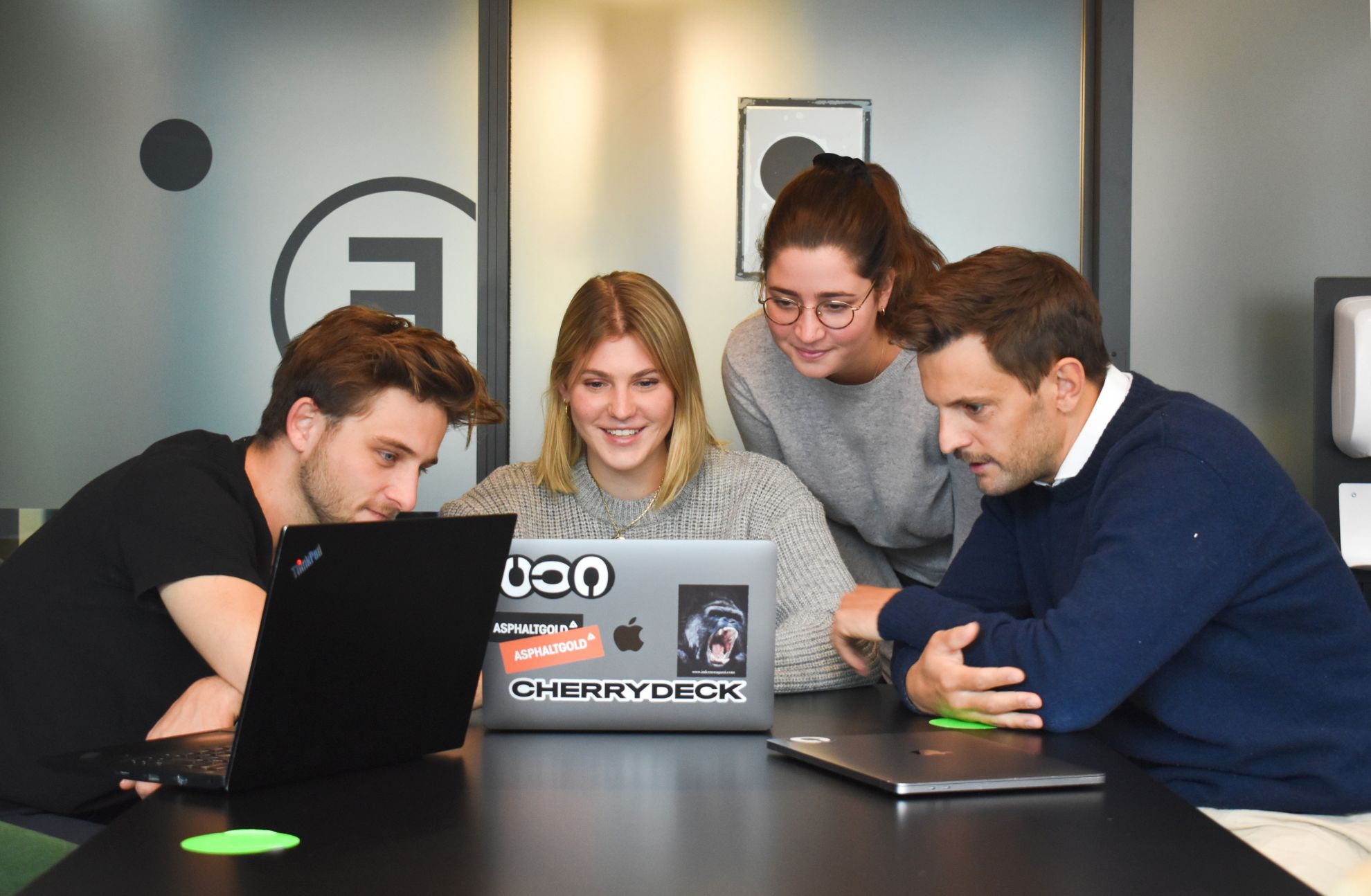
Why Startups Should Source from China
China’s manufacturing ecosystem offers three structural advantages for early-stage startups: cost efficiency, product diversity, and speed to market.
Cost Efficiency at Low Volumes
Chinese suppliers in industrial clusters like Yiwu (household goods), Shenzhen (electronics), and Hangzhou (apparel) have built ultra-efficient supply chains. A startup ordering 200 units of a custom electronic gadget might pay $12–$18 per unit from a Chinese factory, whereas domestic prototyping shops could charge $45–$80. This 3–5× cost advantage preserves runway while testing product–market fit.
Unparalleled Product Diversity
From injection-molded plastics to PCB assembly to custom packaging, China’s manufacturing clusters cover virtually every product category. This consolidation simplifies supply chain management for teams without dedicated procurement staff.
Faster Iteration Cycles
Chinese factories are accustomed to rapid prototyping. Many suppliers on 1688.com can produce samples within 5–10 days of receiving a design file, enabling startups to iterate through multiple design–test–revise loops in weeks rather than months.
Reliable manufacturing and procurement partner China offers end-to-end support that helps startups access these advantages without requiring a physical presence in China. Whether you need supplier vetting, price negotiation, or quality inspection, working with an experienced partner reduces the learning curve and protects your capital.
Step 1: Start with Small Budget and Low MOQ
Define Your Realistic Starting Budget
Most startup founders overestimate the capital required to begin sourcing from China. You do not need $50,000 for your first order. A realistic starting budget for a single SKU typically falls between $1,000 and $5,000:
| Budget Item | Estimated Cost (USD) |
|---|---|
| Product samples (3–5 units) | $50–$200 |
| MOQ inventory (100–500 units) | $500–$2,500 |
| Tooling/mold (if custom) | $200–$1,500 |
| Shipping (sea or air) | $150–$600 |
| Customs brokerage & duties | $50–$300 |
| Total estimated first order | $950–$5,100 |
How to Find Suppliers with Low MOQs
The single biggest barrier startups face is the MOQ. Several strategies can help:
- Use platforms designed for smaller orders. Alibaba.com allows filtering by MOQ as low as 10–50 units. 1688.com, while Chinese-language only, often has traders and small factories willing to accept orders of 20–100 pieces.
- Look for “trading companies” rather than factories. Trading companies aggregate orders from multiple factories and can often split MOQs across their client base.
- Negotiate a trial order. If a factory’s listed MOQ is 500 units, ask whether they will accept 200 units at a 15–20% price premium for the first order. Many will agree.
- Use a sourcing agent. Agents have established relationships with factories and can negotiate lower MOQs on your behalf. A China sourcing agent for cross border ecommerce can bundle your small order with other clients’ orders to meet factory thresholds.
Step 2: Choose the Right Sourcing Platform
Platform Comparison for Startup Sourcing
Not all sourcing platforms are created equal, and choosing the wrong one can waste weeks of time and hundreds of dollars. Below is a comparison of the most common platforms startups use to source products from China.
| Platform | Best For | MOQ Range | Verification Level | Communication | Payment Protection | Typical Price Level |
|---|---|---|---|---|---|---|
| Alibaba.com | General product sourcing, verified suppliers | 10–1,000+ | Gold Supplier, Assessed | English chat, email, video call | Trade Assurance (up to $50K) | Medium–High |
| 1688.com | Domestic China pricing, bulk raw materials | 2–500+ | Credit rating system | Chinese only (requires agent) | None for foreign buyers | Low–Medium |
| Made-in-China.com | Industrial goods, machinery, hardware | 50–2,000+ | Verified Manufacturer | English, some Chinese | Secure payment options | Medium |
| Global Sources | Electronics, fashion, high-value goods | 100–5,000+ | On-site audits | English | Inspection-based | High |
| DHgate.com | Small orders, low MOQ, dropshipping | 1–50 | Seller rating | English chat | Buyer protection | Medium |
| CJ Dropshipping | No-inventory product testing | 1–10 | N/A | English agent assigned | Platform guarantee | Medium–High |
Which Platform Should a Startup Choose?
For most startups launching their first product, Alibaba.com remains the best starting point. The combination of English-language communication, Trade Assurance payment protection, and supplier verification makes it the lowest-risk entry point. Once you have an agent or a Chinese-speaking team member, 1688.com can unlock 20–40% lower prices for the same products — but this route requires careful supplier vetting and logistics coordination.
Bulk product sourcing from China wholesale suppliers through a managed service can simplify this decision entirely. Instead of spending weeks platform-hopping, you describe your product requirements once, and the sourcing partner handles platform research, supplier shortlisting, and price comparison across multiple channels.
Step 3: Use Sourcing Agents for Smaller Orders
Why Agents Matter for Startups
Sourcing agents bridge the gap between what startups need (small orders, flexible terms, quality assurance) and what Chinese factories prefer (large orders, full payment upfront, minimal communication). A good agent provides:
- Supplier discovery and vetting — They know which factories deliver on time and which cut corners.
- Language and cultural mediation — Misunderstandings about specifications, tolerances, and delivery dates are the leading cause of failed first orders.
- MOQ negotiation — Agents leverage their network to bundle orders and meet factory minimums.
- Quality control — Pre-shipment inspections catch defects before your inventory ships.
- Logistics consolidation — Agents arrange freight forwarding, customs documentation, and last-mile delivery.
How Agent Pricing Works
Sourcing agents typically charge one of three fee structures:
| Fee Model | Typical Rate | Best For |
|---|---|---|
| Percentage of order value | 5–15% | Small orders under $10,000 |
| Flat monthly retainer | $300–$1,500/month | Ongoing multi-SKU sourcing |
| Hybrid (percentage + retainer) | 3–8% + $200–$500/month | Medium-volume steady orders |
For a startup’s first order of $2,000–$5,000, a percentage-based fee of 8–12% is standard. The agent earns $160–$600, which is typically far less than the cost of a single mistake such as receiving the wrong product, a defective batch, or a delayed shipment.
When evaluating agents, look for those who offer transparent pricing, sample coordination, and factory audit services. A reliable manufacturing and procurement partner China can also serve as your agent, handling the full sourcing lifecycle from supplier discovery to final delivery.
Step 4: Validate with Samples Before Committing
Never Skip the Sample Stage
One of the most common — and most expensive — mistakes startup founders make is placing a full production order based on a supplier’s catalog photos or Alibaba listing images. Samples are non-negotiable. They serve three critical purposes:
- Quality verification — Does the material, finish, and assembly meet your specifications?
- Functionality testing — Does the product actually work as described? Electronics, in particular, often underperform relative to what the listing claims.
- Negotiation leverage — Once you have a physical sample, you can benchmark competing suppliers against a standard.
The Sample Order Process
| Step | Action | Timeline |
|---|---|---|
| 1 | Request samples from 3–5 shortlisted suppliers | Day 1 |
| 2 | Pay sample fee + shipping (expect $20–$100 per sample) | Day 1–2 |
| 3 | Supplier produces and ships sample | Day 3–10 |
| 4 | Receive and inspect sample | Day 10–18 |
| 5 | Compare against spec sheet and expected quality | Day 18–20 |
| 6 | Select winning supplier and negotiate final terms | Day 20–25 |
Red Flags During Sample Evaluation
- Sample differs significantly from catalog photos. This indicates the supplier uses stock images rather than showing their actual product.
- Sample arrives damaged but supplier blames the carrier. Reliable suppliers use proper packaging. Repeated damage suggests poor quality control.
- Supplier is reluctant to provide samples or asks for excessive payment. Some factories “sample scam” by charging high fees with no intention of fulfilling production orders.
- Sample quality exceeds the price point too dramatically. Counterfeit or “show sample” products are sometimes used to win orders for inferior production runs.
Step 5: Start with One Product and Scale Gradually
The One-SKU Strategy
Launching with five or ten SKUs simultaneously is a recipe for cash flow disaster. Every SKU requires its own tooling, MOQ, inventory holding, and channel optimization. The optimal strategy:
- Select one hero product that solves a clear problem and has proven demand.
- Source that single SKU at the lowest viable MOQ.
- Launch, measure, and optimize for 60–90 days.
- Reinvest profits into a second SKU only after the first generates consistent positive margins.
Scaling Benchmarks
| Phase | Monthly Revenue | SKU Count | Sourcing Budget |
|---|---|---|---|
| Validation | $0–$2,000 | 1 | $500–$2,000 |
| Early traction | $2,000–$10,000 | 1–3 | $2,000–$8,000 |
| Growth | $10,000–$50,000 | 3–8 | $8,000–$30,000 |
| Expansion | $50,000+ | 8–20+ | $30,000–$100,000 |
The Gradual Scaling Principle
Each time you add a new SKU, follow the same validation process: find a supplier, order samples, negotiate terms, place a trial order, and assess sell-through before reordering. Do not increase MOQ or SKU count faster than your sales data justifies.
Step 6: Manage Cash Flow and Payment Terms
Payment Methods for Startup Orders
Chinese suppliers expect payment before production begins, especially from first-time buyers. The standard payment structure is:
- 30% deposit upfront (before production starts)
- 70% balance before shipment (after production is complete, based on photos or inspection report)
For startups operating on thin margins, this payment schedule creates cash flow pressure because you pay for inventory weeks before you begin generating revenue from it.
Negotiating Better Payment Terms
| Tactic | How It Works | Likely Outcome |
|---|---|---|
| Offer a larger deposit | 50% deposit instead of 30% | Some suppliers may extend net-15 on balance |
| Use Trade Assurance | Alibaba’s escrow service | Payment held until you confirm shipment |
| Pay by credit card (where available) | Adds 2–3% fee but extends float by 30–45 days | Useful bridge for cash-strapped startups |
| Split into multiple shipments | 50% payment before first batch, 50% before second | Reduces single payment size |
| Build payment history | Complete 2–3 small orders on time | Negotiate net-30 or net-60 on fourth order |
Cash Flow Management Tips
- Keep at least 1.5× your order value in available cash before placing a PO, covering deposit, balance, shipping, customs, and unexpected fees.
- Use a business credit card for samples and small platform purchases to extend float by 30–45 days.
- Budget a 10–15% buffer for currency fluctuation, tariff changes, and shipping surcharges.
Comparison Table: Startup Sourcing Options
| Sourcing Method | Initial Cost | Control Level | Time Investment | Risk Level | Best For |
|---|---|---|---|---|---|
| Direct factory sourcing on Alibaba | $500–$3,000 | High | 40–80 hours first order | Medium | Founders with sourcing experience |
| 1688.com via agent | $200–$1,500 | Medium | 10–20 hours | Low–Medium | Lower cost, Chinese-speaking team |
| Sourcing agent | $200–$800 fee | Medium | 5–15 hours | Low | First-time founders, small budgets |
| Full-service procurement partner | $500–$2,000 fee | Low | 2–5 hours | Very Low | Hands-off founders, fast execution |
| Dropshipping from China | $0–$100 | Very Low | 5–10 hours setup | Medium | Product testing, no inventory risk |
| Trade show sourcing (Canton Fair) | $2,000–$5,000 trip cost | High | 1 week travel | Medium | Founders visiting China in person |
| Wholesale market sourcing | $1,000–$5,000 trip + goods | Medium | 1–2 weeks travel | Low–Medium | Physical inspection before buying |
| Crowdfunding + China manufacturing | $10,000+ campaign costs | High | 3–6 months prep | High | Hardware startups with proven demand |
Each sourcing method trades off between cost, control, time, and risk. For most early-stage startups with limited capital and no prior importing experience, using a sourcing agent or a full-service procurement partner provides the best balance of low risk and reasonable cost. A China sourcing agent for cross border ecommerce can manage supplier discovery, price negotiation, and logistics on your behalf — freeing you to focus on sales and product development. The hands-on approaches (direct Alibaba sourcing or 1688.com) can save money but demand significantly more time and carry higher risk of costly errors.
Case Study: Bootstrapped Startup Scales from $2K to $50K Monthly
Background
Company: EcoHome Essentials (name anonymized)
Product: Biodegradable bamboo kitchen organizers
Founder: Solo entrepreneur based in Austin, Texas
Starting capital: $3,200 personal savings
Timeline: 14 months from first sample to $50K monthly revenue
Month 1–3: Validation and First Order
The founder identified bamboo kitchen organizers as a trending category on Amazon and Etsy. Using Alibaba, she contacted 12 suppliers, requested samples from 5, and received 4 usable samples within 18 days. The winning supplier (based in Fujian province) offered an MOQ of 200 units at $4.80 per unit, with a one-time mold fee of $350.
First order breakdown:
- 200 units × $4.80 = $960
- Mold fee = $350
- Samples (5 suppliers) = $185
- Shipping (sea freight, 30-day transit) = $290
- Customs brokerage = $85
- Total first order cost: $1,870
The products launched on Etsy at $24.99 each. First-month sales: $1,250 (50 units).
Month 4–8: Iteration and Reorder
Customer feedback indicated the units were slightly smaller than expected. She ordered a revised version — 300 units at $5.10 each from the same supplier (no new mold fee).
Second order: 300 units × $5.10 = $1,530 + $410 shipping = $1,940 total
By month 8, monthly sales reached $6,800 (272 units) with a 62% gross margin.
Month 9–14: SKU Expansion and $50K Month
With consistent profits, the founder introduced three additional bamboo SKUs — a utensil holder, a cutting board set, and a spice rack. She followed the same sourcing process for each: find suppliers, order samples, negotiate terms, trial order, validate sell-through.
She also switched from direct Alibaba sourcing to a China sourcing agent for cross border ecommerce, which reduced her per-order management time from 30 hours to 6 hours and helped her negotiate a 12% price reduction on her hero SKU.
Month 14 results:
- 4 SKUs in active production
- Monthly revenue: $52,300
- Gross margin: 58%
- Inventory turns: 3.2× per quarter
- Total capital deployed to inventory across all SKUs: $18,400
Key Takeaways
- Starting with a single SKU and a budget under $2,000 was sufficient to begin. The $1,870 first order generated the data needed to improve the product.
- Switching to a sourcing agent at month 9 freed up founder time for marketing, driving growth from $6,800 to $52,300.
- Every new SKU was validated profitably before the next one was added.
Avoiding Startup Sourcing Mistakes
Mistake 1: Ordering Too Much Too Soon
The #1 killer of startup sourcing is overordering. Founders see attractive per-unit prices at higher MOQs and convince themselves that “we will definitely sell 2,000 units.” When sales are slower than projected, cash is trapped in inventory.
Fix: Order the minimum MOQ your supplier will accept, even if the per-unit cost is 20–30% higher. Cash preservation is more important than unit economics in the validation phase. Bulk product sourcing from China wholesale suppliers with managed MOQ negotiation can help you secure lower minimums than you could achieve negotiating alone.
Mistake 2: Choosing the Cheapest Supplier
The lowest-priced supplier on Alibaba is often the riskiest — low prices may indicate low-quality materials, substandard components, or corners being cut.
Fix: Select the second- or third-cheapest supplier after sample validation. The extra 5–15% in cost is insurance against quality failures, returns, and brand damage.
Mistake 3: Ignoring Shipping and Customs Costs
Many startups calculate product cost in isolation and discover only after the order is placed that shipping and duties add 30–50% to their landed cost. This destroys margin expectations.
Fix: Calculate landed cost — product cost + shipping + insurance + duties + customs brokerage + warehousing — before placing any order. Use a landed cost calculator with current tariff rates.
Mistake 4: Not Protecting Intellectual Property
Chinese IP enforcement has improved, but it is not automatic. If your product design is novel, a factory may produce identical copies for other buyers.
Fix: Register your trademark and design patent in China before sharing detailed specifications with suppliers. Use non-disclosure agreements (NDAs) — though their enforceability in China is limited, they establish a paper trail. Work with sourcing agents who can vet suppliers for ethical manufacturing practices.
Mistake 5: Relying on Written Communication Alone
Text-based communication on Alibaba is prone to misinterpretation across language and cultural barriers.
Fix: Always confirm specifications with photos, videos, or video calls. Request photos of raw materials and production progress. Use a checklist for each order that both you and the supplier sign off on.
Mistake 6: Sourcing Without a Backup Supplier
If your sole supplier faces a production delay, raw material shortage, or regulatory issue, your business comes to a halt. Startups that have invested all their trust in one factory are extremely vulnerable.
Fix: After validating your hero product, qualify at least one backup supplier. You do not need to place an order with them, but maintain the relationship. If your primary supplier fails, you can switch within 2–3 weeks instead of starting from scratch.
Reliable manufacturing and procurement partner China
Reliable manufacturing and procurement partner China
Reliable manufacturing and procurement partner China
Bulk product sourcing from China wholesale suppliers
Bulk product sourcing from China wholesale suppliers
Bulk product sourcing from China wholesale suppliers
China sourcing agent for cross border ecommerce
China sourcing agent for cross border ecommerce
China sourcing agent for cross border ecommerce
FAQ
1. What is the minimum budget to start sourcing from China?
You can begin sourcing products from China with a budget of $1,000 to $3,000. This covers samples ($50–$200), a small MOQ of 100–300 units ($500–$1,500), shipping ($150–$600), and customs clearance ($50–$300). Very small orders (under $500 total) are difficult but possible through platforms like DHgate or CJ Dropshipping that cater to low-volume buyers.
2. How do I find suppliers that accept low MOQs?
Use Alibaba’s advanced search filter to set MOQ to 10–50 units. Look for “trading companies” rather than factories, as they can split minimums across multiple clients. You can also negotiate directly — offer to pay a 10–20% price premium for a reduced MOQ on your trial order. Sourcing agents are particularly effective at finding low-MOQ suppliers because they have pre-existing relationships.
3. Should I use Alibaba or 1688.com for my first order?
For your first order, use Alibaba.com. It offers English communication, Trade Assurance payment protection, and verified supplier badges. 1688.com has lower prices but is entirely in Chinese and has no foreign buyer protections. Once you have a sourcing agent or a Chinese-speaking team member, transition to 1688.com for better pricing.
4. How do I avoid getting scammed by Chinese suppliers?
Follow the “never pay in full upfront” rule — standard terms are 30% deposit, 70% before shipment. Use Alibaba’s Trade Assurance for purchases under $50,000. Always order and inspect samples before committing to a full production run. Request third-party inspection reports from services like SGS or Bureau Veritas. If a deal seems too good to be true (exceptionally low price, pushy sales tactics, no samples available), it probably is.
5. How long does the full sourcing process take from start to delivery?
A realistic timeline for a first-time order is 8–14 weeks: supplier discovery (1–2 weeks), sampling (2–3 weeks), production (2–4 weeks), and shipping (2–5 weeks sea, 1–2 weeks air). Air freight costs 4–6× more than sea freight.
6. What are the hidden costs of sourcing from China?
Common hidden costs include: tooling and mold fees ($200–$2,000 per mold), customs duties (2–25% depending on product category and country of import), freight forwarding fees ($50–$200 per shipment), storage and warehousing (if you order more than immediate sell-through), currency conversion fees (1–3%), and returns or quality dispute costs (return shipping from China is often 2–3× the original shipping). Always budget a 15–20% buffer above your calculated landed cost.
7. Do I need to visit China to source products?
No. Most startups complete their first several orders remotely using platforms, video calls, and third-party inspection services. In-person visits become valuable when scaling above $20,000 per order or sourcing complex technical products.
8. How do I handle product returns or defects with a Chinese supplier?
Your best protection is pre-shipment inspection — hire a third-party inspector ($150–$400 per visit) to check units before they leave the factory. Most suppliers offer a partial refund or credit for minor defects, but return shipping costs typically exceed the product value. For major failures, file an Alibaba Trade Assurance claim and document everything.
9. Should I source from multiple suppliers or stick with one?
Start with one supplier for your hero product. After 2–3 successful orders, qualify a backup supplier for the same product. For new SKUs, either expand with your existing supplier or find specialized suppliers for specific categories.
10. Can I source custom-branded products with my own packaging on a small budget?
Yes, but keep packaging simple. Start with blank packaging and adhesive labels (MOQ: 100–500 labels) to keep costs low. As you scale, invest in custom printed boxes and inserts.
11. What documents do I need to import from China to the US or Europe?
For most consumer goods: commercial invoice, packing list, bill of lading or airway bill, certificate of origin, and product-specific compliance documents (FCC for US electronics, CE marking for EU). Your freight forwarder handles documentation preparation.
12. How do I find a reliable sourcing agent for my startup?
Look for agents with verified client testimonials, transparent fees, and experience in your product category. Contact past clients for references. Evaluate their sample coordination process — good agents consolidate samples from multiple suppliers into one shipment. Avoid agents who demand large upfront retainers or refuse to share supplier sourcing information.
Conclusion
Sourcing products from China as a startup is entirely achievable with careful planning and the right approach. By starting small, using sourcing agents, validating with samples, and scaling gradually, bootstrapped entrepreneurs can access China’s manufacturing capabilities without excessive risk. The key is to maintain cash flow discipline and build relationships with reliable partners from the start.
China Sourcing for Startup, Small Business Import China, Startup Sourcing Guide, Low MOQ China, Bootstrapped Import, China Supplier for Small Business, Ecommerce Startup China, Product Sourcing Budget, Startup Supply Chain, China Manufacturing for Beginners


