
Save Big: Pros and Cons of Buying Bulk 3D Printing Supplies
For many makers and small business owners, the cost of consumables can quickly become the largest overhead expense in any project. If you are looking to scale your production or simply reduce your cost-per-print, understanding how to Save Big: Pros and Cons of Buying Bulk 3D Printing Supplies is a fundamental skill. When you decide to Save Big: Pros and Cons of Buying Bulk 3D Printing Supplies, you are moving beyond the occasional single-spool purchase and entering the world of wholesale logistics, where the price per kilogram can drop significantly. However, this strategy requires more than just a large storage closet; it demands a careful analysis of material shelf life, inventory management, and long-term project planning to ensure that “saving big” doesn’t turn into “wasting more.”
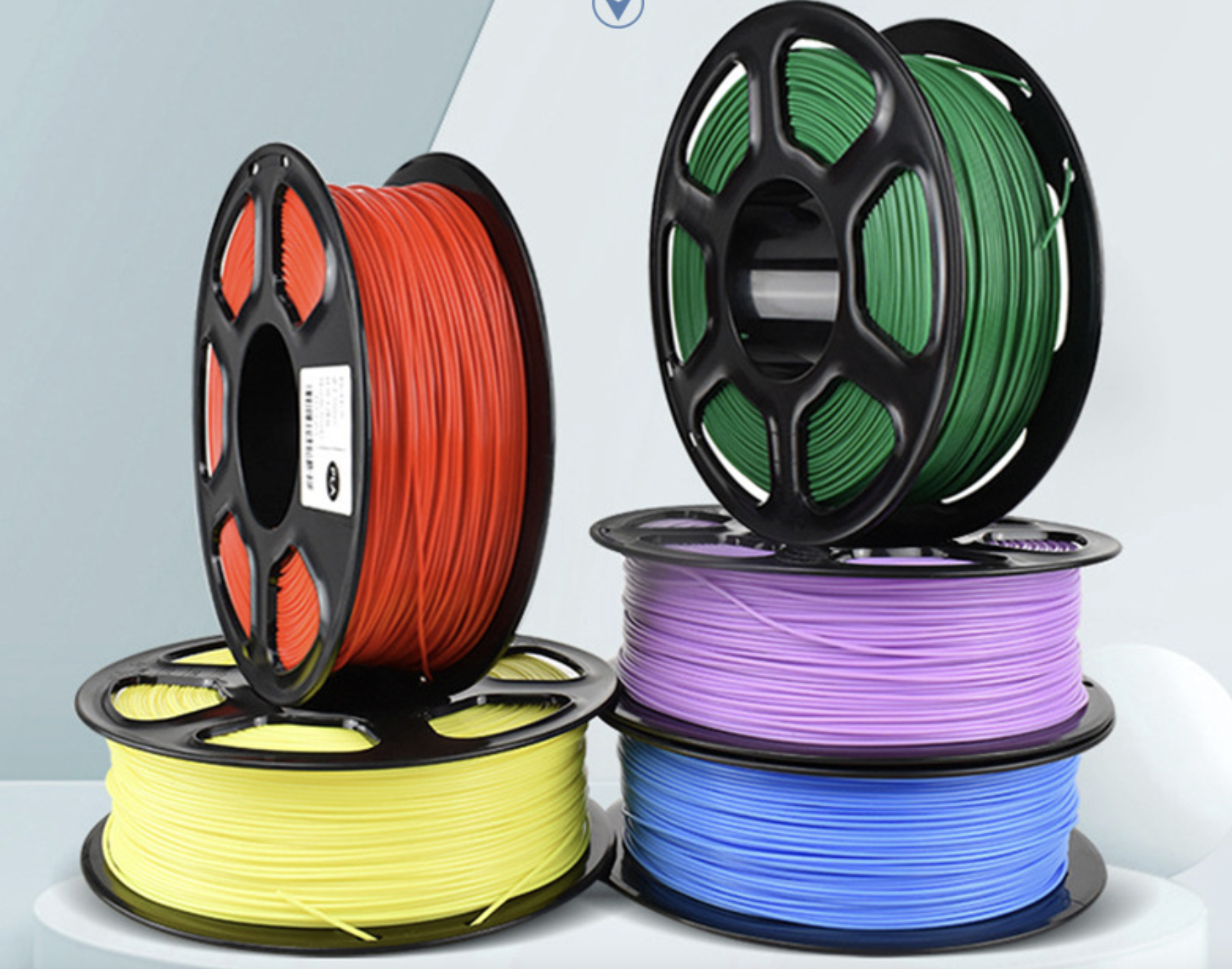
The Financial Logic: Why Bulk Buying Works
The primary motivation behind purchasing bulk 3D printing supplies is the economy of scale. Manufacturers and distributors face fixed costs for shipping, packaging, and processing every order. When you buy in bulk—whether it is a 10-pack of $1kg$ spools or a single $10kg$ industrial reel—these fixed costs are spread across a larger volume of material. This typically results in a discount of 15% to 30% compared to retail prices.
Breaking Down the Unit Cost
Consider a standard PLA spool priced at $25. By opting for a bulk shipment of 10 units, the price might drop to $18 per spool. Over a year of moderate printing, this adds up to hundreds of dollars in savings. Furthermore, bulk purchasing often qualifies for free shipping, which is a hidden but substantial cost in 3D printing due to the heavy weight of filament and resin.
The Pros of Buying Bulk 3D Printing Supplies
1. Consistent Color and Quality Control
One often overlooked benefit of buying in bulk is batch consistency. 3D printing filaments can vary slightly in pigment and chemical composition between different production runs. If you are printing a large architectural model or a multi-part assembly, even a tiny shift in the shade of “Grey” can ruin the final look. By buying a single bulk lot, you ensure that every gram of plastic comes from the same batch, maintaining a professional finish across all parts.
2. Efficiency in Workflow
Nothing stalls a project faster than running out of material at 2:00 AM on a deadline night. Stockpiling supplies ensures that your machines can run 24/7 without interruption. It also reduces the administrative burden of constant ordering and tracking, allowing you to focus on the creative and technical aspects of your work.
The Cons of Buying Bulk 3D Printing Supplies
1. The Hidden Cost of Storage
While the price per spool is lower, the space requirement is much higher. 3D printing materials are sensitive to the environment. PLA, Nylon, and PETG are hygroscopic, meaning they absorb moisture from the air. If you buy 20 spools but only have a humid garage to store them in, the filament will degrade before you can use it, leading to brittle prints and nozzle clogs.
2. Capital Tie-Up
Buying in bulk requires a larger upfront investment. For a small business, spending $500 on filament today means that money is not available for printer upgrades, marketing, or emergency repairs. You must calculate your inventory turnover rate—how fast you actually use the material—before committing to a massive purchase.
Strategy: How to Safely Save Big on 3D Printing Supplies
If you have decided that the advantages outweigh the risks, follow these steps to manage your bulk inventory like a professional.
Step 1: Environmental Sealing
Do not leave bulk filament in its original cardboard boxes. Cardboard absorbs moisture and can transfer it to the plastic.
-
Action: Purchase large airtight plastic bins with rubber gaskets.
-
Why: This creates a micro-climate that isolates your investment from seasonal humidity changes.
Step 2: Desiccant Management
Use rechargeable silica gel beads in your storage bins.
-
Action: Buy color-indicating desiccant that turns from orange to green when saturated.
-
Why: This gives you a visual “warning light” to tell you when it is time to dry out your beads in the oven, ensuring your bulk supplies stay factory-fresh.
Step 3: First-In, First-Out (FIFO)
Label every spool with the date of purchase.
-
Action: Always use the oldest stock first.
-
Why: Even in perfect conditions, polymers can slowly degrade over years. A FIFO system ensures your inventory stays “young.”
Comparison Table: Bulk vs. Individual Purchasing
| Feature | Individual Purchase | Bulk Purchase (10kg+) |
| Price per kg | High ($22-$30) | Low ($14-$19) |
| Shipping Cost | Often Paid | Usually Free |
| Risk of Waste | Low | Moderate (Degradation) |
| Storage Need | Minimal | Significant |
| Batch Consistency | Variable | Identical |
FAQ: Common Questions About Bulk Supplies
Q: Does resin have a shorter shelf life than filament?
A: Yes. While filament can last years if kept dry, UV resin often has a hard expiration date (usually 12-24 months). Be very careful when buying bulk resin, as it may lose its reactivity if it sits on the shelf too long.
Q: Can I mix and match colors in a bulk order?
A: Most “Save Big” bulk deals require you to buy the same color or a pre-set variety pack. If you need 10 different specialized colors, bulk buying might not be the right choice for you.
Q: Is it better to buy $1kg$ spools or $5kg$ master spools?
A: Master spools ($5kg-10kg$) are cheaper and produce less plastic waste, but they require a heavy-duty spool holder and can put more strain on your extruder motor.
Conclusion: Balancing Savings and Sustainability
To successfully Save Big: Pros and Cons of Buying Bulk 3D Printing Supplies, you must find the “sweet spot” between your consumption rate and the volume of your purchase. For a casual hobbyist printing once a week, buying in bulk may actually lead to losses due to material degradation. However, for those running print farms or large-scale prototypes, the strategic acquisition of bulk 3D printing supplies is the most effective way to drive down costs and increase profitability.
3DPrinting,BulkSupplies,FilamentStorage,CostSaving,PLAFilament,InventoryManagement,PrintFarm,3DPrintingTips,HygroscopicMaterials,ManufacturingEfficiency