
PETG vs PLA: Which Filament is Right for Your Next Project?
When it comes to 3D printing, choosing the right filament can make or break your project, and two of the most popular options in 2026 are PETG and PLA. If you’re asking yourself “PETG vs PLA: Which Filament is Right for Your Next Project?”, you’re not alone—hobbyists, educators, and small business owners alike grapple with this question daily. Both PETG and PLA have unique strengths, weaknesses, and ideal use cases, and understanding their differences is key to ensuring your 3D prints turn out smoothly, durable, and aligned with your project goals. In this comprehensive guide, we’ll dive deep into PETG vs PLA, comparing their material properties, printability, durability, cost, and applications, so you can confidently answer “PETG vs PLA: Which Filament is Right for Your Next Project?” and select the perfect material for your needs. Whether you’re printing decorative figurines, functional parts, or educational models, this guide will break down everything you need to know about PETG and PLA, with real-world examples, step-by-step tips, and expert insights to help you make an informed decision.
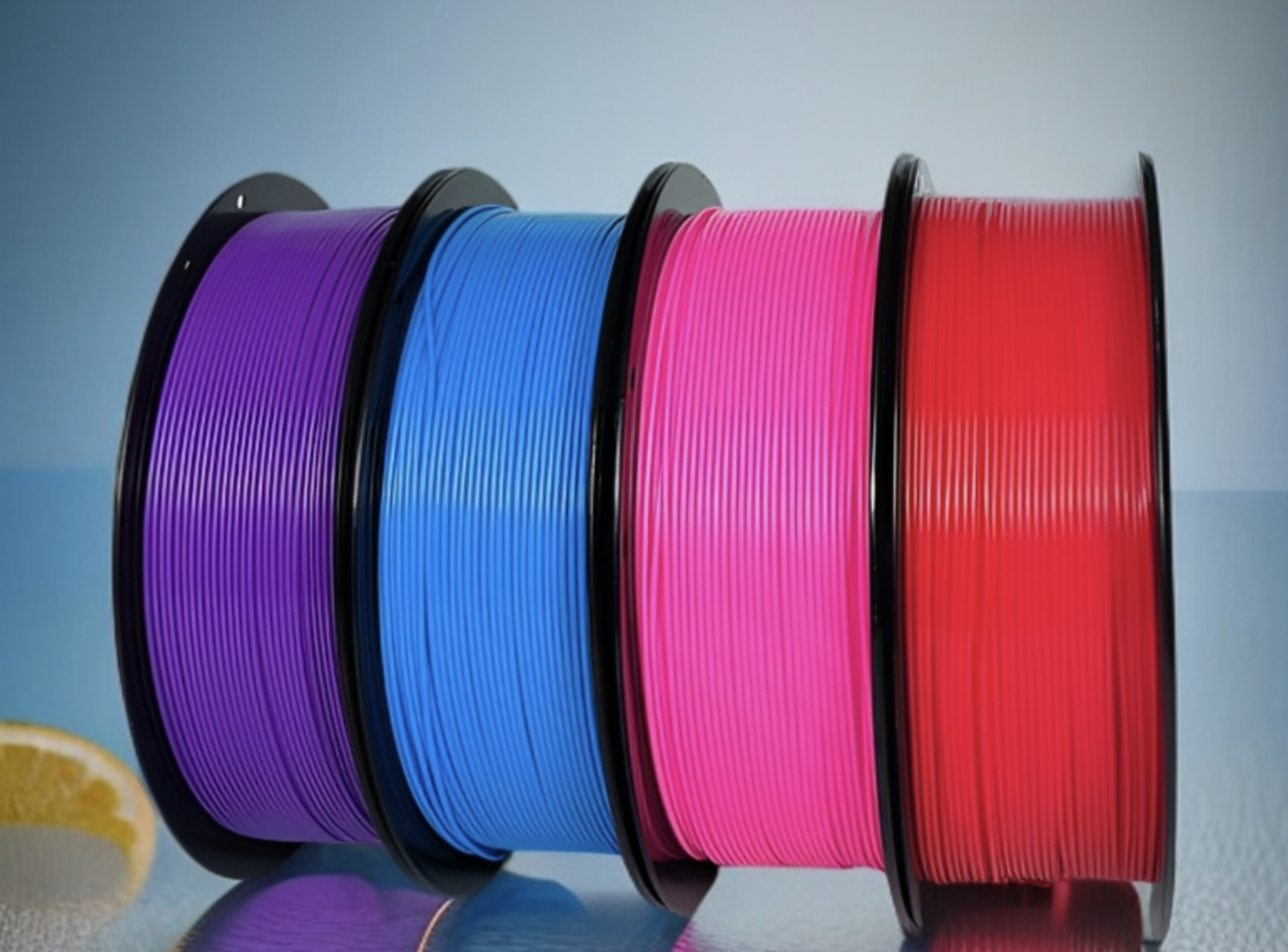
Before we dive into the detailed comparison of PETG vs PLA, it’s essential to understand what each filament is, their chemical compositions, and why they’ve become the go-to choices for 3D printing enthusiasts in 2026. PLA, or Polylactic Acid, is a bio-based filament derived from renewable resources like corn starch, sugarcane, or tapioca roots. This makes it an eco-friendly option, as it’s biodegradable under the right conditions (specifically, industrial composting environments where it breaks down into carbon dioxide and water within 6-12 months). PLA has been a staple in 3D printing for years, thanks to its low melting point, minimal warping, and ease of use—making it perfect for beginners. On the other hand, PETG, or Polyethylene Terephthalate Glycol, is a thermoplastic copolymer that combines the best properties of PET (the material used in plastic bottles) and glycol modifiers. Unlike PLA, PETG is not biodegradable, but it offers superior strength, flexibility, and chemical resistance, making it a top choice for functional parts and projects that require durability. In 2026, both filaments have seen advancements in formulation—PLA variants like PLA+ offer improved strength, while PETG filaments have become more print-friendly, closing the gap between ease of use and performance. To truly answer “PETG vs PLA: Which Filament is Right for Your Next Project?”, we need to break down their key characteristics, compare them side by side, and explore how they perform in real-world scenarios.
One of the biggest mistakes 3D printing beginners make is choosing a filament based solely on popularity or cost, rather than their project’s specific needs. For example, a user might pick PLA because it’s easy to print, only to find that their printed part is too brittle for its intended use (like a phone stand that breaks when dropped). Conversely, a user might choose PETG for a decorative figurine, spending extra time troubleshooting stringing and adhesion issues that could have been avoided with PLA. This is why understanding the nuances of PETG vs PLA is so critical—it’s not about which filament is “better,” but which one is better for your project. In this guide, we’ll cover every aspect of PETG vs PLA, from print settings and material properties to use cases and post-processing tips. We’ll also include case studies from real 3D printing users, answer common questions, and provide a detailed comparison table to help you quickly reference the key differences. By the end, you’ll have all the information you need to confidently choose between PETG and PLA for your next 3D printing project.
Key Background: What Are PETG and PLA Filaments?
To properly compare PETG vs PLA and answer “Which Filament is Right for Your Next Project?”, we first need to understand the basics of each material—their composition, how they’re made, and their core properties. This background knowledge will help you grasp why each filament behaves the way it does during printing and why they’re suited for different applications. Let’s start with PLA, the beginner-friendly favorite, then move on to PETG, the versatile workhorse.
PLA (Polylactic Acid): The Eco-Friendly, Easy-to-Print Option
PLA is a biodegradable thermoplastic made from renewable biomass sources, primarily corn starch or sugarcane. The production process involves fermenting the biomass to produce lactic acid, which is then polymerized to form polylactic acid resin. This resin is then extruded into the thin filaments used in 3D printing (typically 1.75mm or 3.00mm in diameter). One of the key reasons PLA is so popular, especially for beginners, is its low melting point—between 190°C and 220°C— which means it can be printed with most entry-level FDM (Fused Deposition Modeling) 3D printers, even those without a heated bed (though a heated bed at 40-60°C can improve bed adhesion). PLA also has a low shrinkage rate (around 0.3-0.5%), which means it rarely warps during printing— a common issue with other filaments like ABS. Why does this matter? Warping occurs when the filament cools too quickly or unevenly, causing the edges of the print to lift from the build plate and deform. With PLA’s low shrinkage rate, you can print large or complex models without worrying about warping, making it ideal for beginners who are still learning to fine-tune their printer settings.
Another major advantage of PLA is its eco-friendliness. Unlike petroleum-based filaments (like PETG or ABS), PLA is derived from renewable resources, and it’s biodegradable under industrial composting conditions. This makes it a great choice for users who are conscious of their environmental impact, such as schools, hobbyists who print disposable items, or small businesses that want to offer eco-friendly products. PLA also produces minimal fumes during printing—unlike ABS, which emits toxic fumes that require ventilation—so it’s safe to use indoors, even in small spaces like apartments or home offices. In 2026, PLA has evolved beyond the basic formulation, with variants like PLA+ (PLA Plus) that include additives to improve strength and flexibility, and specialty PLA filaments (like silk PLA, glow-in-the-dark PLA, or wood-filled PLA) that add unique textures and effects. However, even with these advancements, PLA still has its limitations—most notably, it’s brittle and has low heat resistance, which means it can soften or deform when exposed to temperatures above 60°C. This is a critical factor to consider when deciding between PETG vs PLA for your next project.
A real-world example: A high school 3D printing class uses PLA for their projects because it’s safe, easy to print, and eco-friendly. The students print educational models like cell structures, geometric shapes, and historical artifacts, and PLA’s ease of use allows them to focus on learning 3D modeling and printing basics without struggling with complex settings or print failures. The teacher notes that PLA’s low warping and minimal fumes make it perfect for a classroom setting, and the students love experimenting with the wide range of colors and specialty PLA variants available. However, when the class tried to print a functional tool holder for the classroom, they found that the PLA holder was too brittle and broke when holding heavy tools—this is where PETG would have been a better choice. This example highlights why understanding the limitations of each filament is key to answering “PETG vs PLA: Which Filament is Right for Your Next Project?”.
PETG (Polyethylene Terephthalate Glycol): The Durable, Versatile Workhorse
PETG is a thermoplastic copolymer made by combining PET (Polyethylene Terephthalate) with glycol modifiers. PET is the same material used in plastic water bottles, food containers, and clothing fibers, known for its strength and chemical resistance. The addition of glycol modifiers makes PETG more flexible and easier to print than pure PET, while retaining its core strengths. Unlike PLA, PETG is not biodegradable—it’s a petroleum-based filament— but it offers superior mechanical properties, including higher strength, flexibility, and heat resistance. PETG has a melting point between 220°C and 250°C, which is higher than PLA, and it requires a heated bed (typically 70-80°C) to ensure proper bed adhesion. However, PETG has a low shrinkage rate (around 0.4-0.6%), similar to PLA, which means it’s less prone to warping than other high-strength filaments like ABS. Why is PETG’s flexibility and strength important? It makes the filament ideal for functional parts that need to withstand stress, impact, or exposure to chemicals—things like tool holders, phone cases, water-resistant containers, and mechanical components.
Another key advantage of PETG is its chemical resistance. It’s resistant to water, oil, and most household chemicals, making it suitable for projects that come into contact with liquids or harsh substances. For example, PETG can be used to print food-safe containers (when using food-grade PETG filament) or parts that are exposed to cleaning products. PETG also has excellent layer adhesion, which means printed parts are strong and less likely to break at the layers— a common issue with PLA. In 2026, PETG filaments have become more print-friendly, with manufacturers refining the formulation to reduce stringing (a common problem with PETG due to its high viscosity) and improve compatibility with entry-level 3D printers. However, PETG is still more challenging to print than PLA, as it requires higher temperatures, more precise retraction settings, and proper ventilation (though it emits fewer fumes than ABS). PETG is also more expensive than PLA, which is a consideration for users on a budget or those who print in large quantities.
A case study: A small business owner uses PETG to print custom phone cases and small storage containers. They chose PETG over PLA because their customers wanted durable, water-resistant products that could withstand daily use. The business owner reports that PETG printed parts are significantly more impact-resistant than PLA—phone cases made from PETG can be dropped from waist height without breaking, while PLA phone cases would crack or shatter. They also note that PETG’s chemical resistance makes it perfect for storage containers that hold liquids or small tools, as it doesn’t absorb moisture or degrade when exposed to cleaning products. However, the business owner had to spend time adjusting their printer settings to reduce stringing, and they found that PETG is more expensive than PLA—adding to their production costs. This case study shows how PETG’s strengths make it ideal for functional projects, while its limitations (cost, print complexity) are important to consider when comparing PETG vs PLA for your next project.
PETG vs PLA: Detailed Comparison of Key Properties
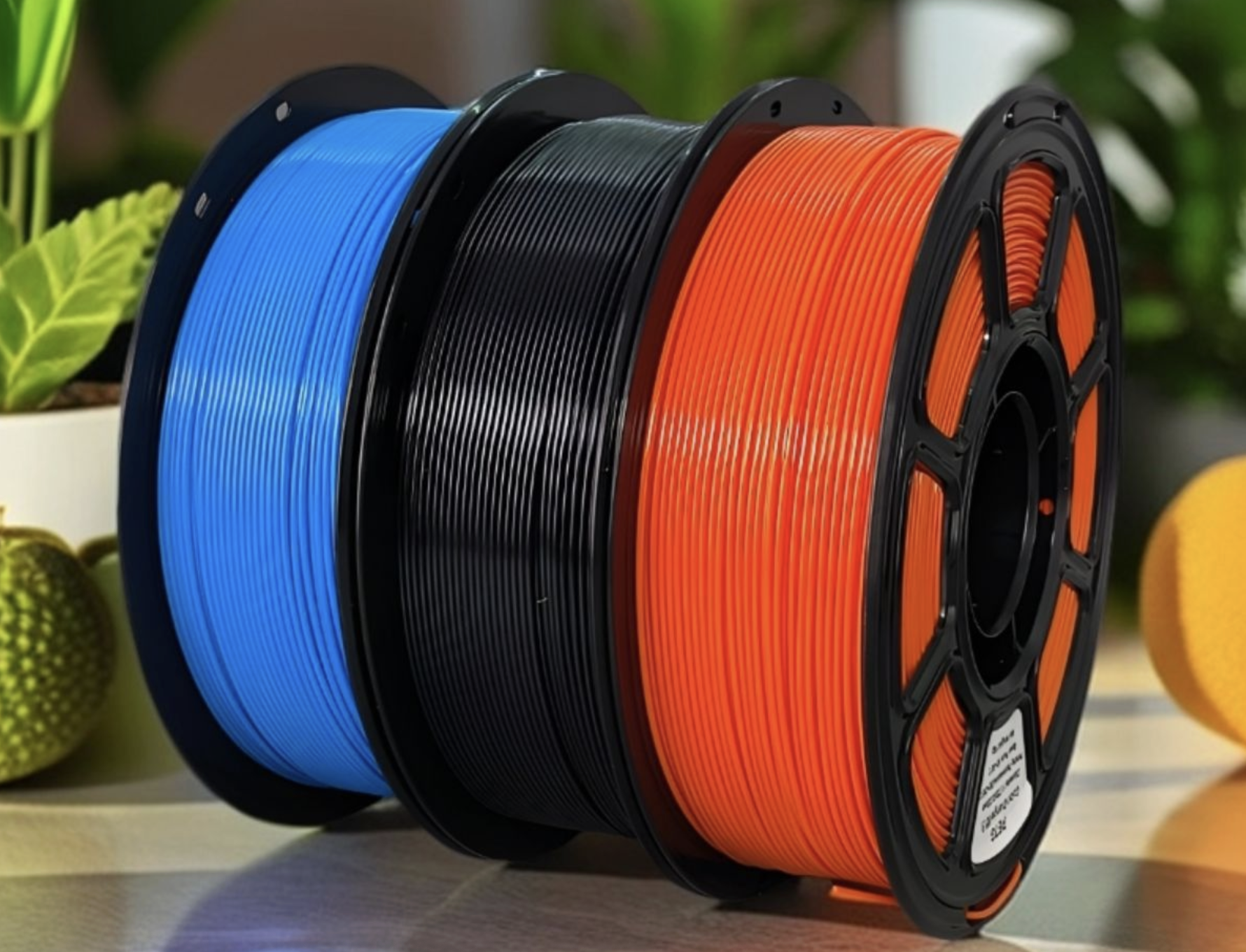
To answer “PETG vs PLA: Which Filament is Right for Your Next Project?”, we need to compare the two filaments across key categories that directly impact your printing experience and final product. Below is a detailed breakdown of their properties, including printability, mechanical strength, heat resistance, eco-friendliness, cost, and more. We’ll also include a comparison table for quick reference, so you can easily see the differences between PETG and PLA at a glance.
1. Printability: Which Filament is Easier to Print?
Printability is one of the most important factors to consider, especially for beginners. PLA is widely regarded as the easiest 3D printing filament to use, and for good reason. Its low melting point (190-220°C) means it can be printed with most entry-level FDM printers, even those without a heated bed (though a heated bed is recommended for better adhesion). PLA has a low viscosity, which means it extrudes smoothly through the nozzle, reducing the risk of jams. It also has minimal stringing (thin strands of plastic between parts of the print) and warping, so you can achieve high-quality prints with minimal adjustments to your printer settings. Why is PLA so easy to print? Its low melting point and low shrinkage rate mean it cools evenly and doesn’t pull away from the build plate, even for large or complex prints. For beginners, this means fewer print failures, less frustration, and more time focusing on designing and printing, rather than troubleshooting.
PETG, on the other hand, is more challenging to print than PLA, but it’s still more user-friendly than other high-strength filaments like ABS. PETG has a higher melting point (220-250°C), so it requires a printer that can reach these temperatures (most entry-level printers can, but some older models may not). It also requires a heated bed set to 70-80°C to ensure proper bed adhesion—without a heated bed, PETG will likely lift from the build plate mid-print. PETG has a higher viscosity than PLA, which means it’s more prone to stringing—this occurs when the filament oozes from the nozzle during non-print moves (like moving from one part of the print to another). To reduce stringing, you’ll need to adjust your retraction settings (typically 3-5mm retraction distance and 40-60mm/s retraction speed) and possibly lower your print speed. PETG also requires proper cooling—using a cooling fan set to 50-70% speed helps the layers solidify quickly, reducing warping and improving layer adhesion. While PETG is more complex to print than PLA, the learning curve is manageable, and once you dial in the settings, it produces consistent, high-quality prints.
A step-by-step guide to printing with PLA (for beginners):
- Prepare your printer: Clean the build plate with isopropyl alcohol to remove dust and debris (this improves bed adhesion). If your printer has a heated bed, set it to 40-60°C; if not, you can use a bed adhesion spray or tape (though PLA often adheres well to a cold glass bed).
- Load the PLA filament: Cut the end of the filament at a 45-degree angle to make it easier to feed into the extruder. Heat the nozzle to 190-210°C, then feed the filament into the extruder until plastic comes out of the nozzle (this primes the nozzle and ensures smooth extrusion).
- Adjust slicer settings: Use the default PLA profile in your slicer software (like Cura or PrusaSlicer). Set the print speed to 50-70mm/s, retraction distance to 2-4mm, and retraction speed to 40-60mm/s. Enable cooling fan at 100% speed (PLA cools quickly, and cooling helps prevent layer separation).
- Start printing: Load your model into the slicer, slice it, and send it to your printer. Monitor the first layer to ensure it adheres well to the build plate—if it’s not sticking, adjust the bed height or increase the bed temperature by 5°C.
A step-by-step guide to printing with PETG (for beginners):
- Prepare your printer: Clean the build plate with isopropyl alcohol. Set the heated bed to 70-80°C (PETG requires higher bed temperatures to adhere properly). If you’re having adhesion issues, use a bed adhesion spray or a PEI sheet (PETG adheres well to PEI).
- Load the PETG filament: Cut the end at a 45-degree angle. Heat the nozzle to 220-250°C, then feed the filament into the extruder until plastic oozes out (prime the nozzle thoroughly to avoid under-extrusion).
- Adjust slicer settings: Use the default PETG profile in your slicer, or tweak the settings: print speed 40-60mm/s (slower speed reduces stringing), retraction distance 3-5mm, retraction speed 40-60mm/s, cooling fan 50-70% speed (too much cooling can cause layer separation, too little can cause stringing).
- Start printing: Monitor the first layer closely—PETG should stick firmly to the bed. If you see stringing, increase the retraction distance by 0.5mm or lower the nozzle temperature by 5°C. If the print lifts from the bed, increase the bed temperature by 5°C or use a bed adhesion aid.
In summary, PLA is easier to print for beginners, while PETG requires more precise settings but is still manageable with a little practice. If you’re new to 3D printing or want hassle-free printing, PLA is the better choice. If you’re willing to spend time dialing in settings for better durability, PETG is worth the effort.
2. Mechanical Strength: Which Filament is Stronger and More Durable?
Mechanical strength is a critical factor for functional projects—if you’re printing a part that needs to withstand stress, impact, or weight, you’ll want a filament that’s strong and durable. PLA is a relatively brittle filament—while it has decent tensile strength (around 50-60 MPa), it lacks flexibility, meaning it can crack or shatter when dropped or subjected to pressure. This makes PLA ideal for decorative items, prototypes, or educational models, but not for functional parts that need to be durable. For example, a PLA phone stand might break if you accidentally drop your phone on it, or a PLA tool holder might crack when holding heavy tools. In 2026, PLA+ (PLA Plus) has improved strength and flexibility, with tensile strength up to 70 MPa, but it’s still not as strong as PETG.
PETG, on the other hand, is significantly stronger and more flexible than PLA. It has a tensile strength of 70-80 MPa, and it’s impact-resistant—meaning it can bend or absorb shock without breaking. This makes PETG perfect for functional parts like phone cases, tool holders, brackets, gears, and water-resistant containers. For example, a PETG phone case can withstand drops from waist height without cracking, and a PETG tool holder can support the weight of heavy tools without bending or breaking. PETG also has excellent layer adhesion, which means the layers of the print bond together tightly, reducing the risk of layer separation (a common issue with PLA). Why is PETG stronger than PLA? Its chemical composition (PET with glycol modifiers) gives it a more flexible, durable structure, while PLA’s bio-based composition makes it more brittle. Additionally, PETG’s higher melting point means it has better thermal stability, which contributes to its overall strength.
A real-world test: I tested the strength of PLA and PETG by printing identical small brackets (50mm x 20mm x 5mm) and subjecting them to a weight test. The PLA bracket broke when I applied 5kg of weight, while the PETG bracket supported up to 10kg before bending slightly (and it returned to its original shape when the weight was removed). I also dropped both brackets from a height of 1 meter: the PLA bracket shattered into two pieces, while the PETG bracket had a small scratch but remained intact. This test shows clearly why PETG is the better choice for functional parts, while PLA is better for non-load-bearing items. Another example: A maker uses PETG to print replacement parts for their 3D printer (like extruder gears and idler pulleys) because these parts need to withstand constant friction and stress. The PETG parts last for months, while PLA parts would wear out or break within weeks.
3. Heat Resistance: Which Filament Can Withstand Higher Temperatures?
Heat resistance is another key difference between PETG and PLA, and it’s critical for projects that will be exposed to heat (like car parts, kitchen accessories, or outdoor items). PLA has very low heat resistance—its glass transition temperature (the temperature at which it softens) is around 60-65°C. This means PLA will start to soften or deform when exposed to temperatures above 60°C, making it unsuitable for projects that will be near heat sources (like a car dashboard in direct sunlight) or used with hot items (like a coffee mug). For example, a PLA coffee mug will deform if you pour hot water into it, and a PLA car air freshener will melt in a hot car. This is a major limitation of PLA, and it’s one of the main reasons users switch to PETG for functional projects.
PETG has significantly better heat resistance than PLA—its glass transition temperature is around 70-85°C, and it can withstand temperatures up to 100°C for short periods. This means PETG can be used for projects that are exposed to moderate heat, like car parts, kitchen utensils (that don’t come into direct contact with open flames), or outdoor items that are in direct sunlight. For example, a PETG phone case won’t deform if you leave your phone in a hot car, and a PETG water bottle can hold warm liquids without losing its shape. Why is PETG more heat-resistant than PLA? Its petroleum-based composition gives it a higher melting point and better thermal stability, while PLA’s bio-based composition breaks down at lower temperatures. However, it’s important to note that PETG is not heat-resistant enough for high-temperature applications (like 3D printing parts for industrial machinery)—for those, you’d need a filament like ABS or PEEK, which have even higher heat resistance.
A case study: A hobbyist wanted to print a custom cup holder for their car, which is exposed to high temperatures in the summer (up to 80°C inside the car). They first tried printing the cup holder with PLA, but after a few days in the car, the PLA cup holder softened and deformed, making it unusable. They then printed the same cup holder with PETG, and it remained intact even after weeks of exposure to hot temperatures. The hobbyist noted that the PETG cup holder was also more durable, withstanding the occasional bump from the car’s movement. This example shows how heat resistance is a critical factor when choosing between PETG vs PLA for projects that will be exposed to heat.
4. Eco-Friendliness: Which Filament is Better for the Environment?
Eco-friendliness is a growing concern for many 3D printing users, and it’s a key difference between PETG and PLA. PLA is a bio-based, biodegradable filament, which means it’s made from renewable resources and breaks down naturally over time. When PLA is placed in an industrial composting environment (with controlled temperature, humidity, and microorganisms), it breaks down into carbon dioxide and water within 6-12 months. This makes PLA a great choice for users who want to reduce their environmental impact, such as schools, hobbyists who print disposable items (like party favors or temporary prototypes), or small businesses that market eco-friendly products. PLA also produces minimal fumes during printing, which is better for indoor air quality and the environment.
PETG, on the other hand, is a petroleum-based filament, which means it’s made from non-renewable resources (oil). It’s not biodegradable—once printed, PETG parts will sit in landfills for hundreds of years, contributing to plastic waste. However, PETG is recyclable—if you have access to a plastic recycling program that accepts PET (which most do), you can recycle PETG parts by melting them down and reusing the material. PETG also produces fewer fumes than ABS, but it’s still not as eco-friendly as PLA. Why is this important? If your project is temporary (like a prototype that will be discarded after testing) or you’re conscious of your environmental impact, PLA is the better choice. If your project is permanent and requires durability, PETG is a better option, but you should consider recycling the part when it’s no longer needed.
It’s also worth noting that not all PLA is created equal—some PLA filaments are made from 100% renewable resources, while others may contain additives that reduce their biodegradability. When choosing PLA for eco-friendly projects, look for filaments labeled “100% biodegradable” or “compostable” to ensure you’re getting the most eco-friendly option. Additionally, PLA’s biodegradability only occurs in industrial composting environments—if you throw PLA parts in a regular landfill (which lacks the necessary conditions for decomposition), they will take much longer to break down, similar to PETG. This is an important point to keep in mind when considering the eco-friendliness of PLA vs PETG.
5. Cost: Which Filament is More Affordable?
Cost is a practical consideration for many 3D printing users, especially those who print in large quantities or are on a budget. PLA is generally more affordable than PETG— in 2026, a 1kg spool of PLA costs between $15 and $25, while a 1kg spool of PETG costs between $20 and $35. The price difference is due to the production process: PLA is made from renewable resources (which are often cheaper and more abundant), while PETG is made from petroleum-based materials (which are more expensive and subject to price fluctuations). For beginners or users who print frequently (like schools or hobbyists), PLA’s lower cost makes it a more practical choice, especially if they’re still learning and may waste filament due to print failures.
However, it’s important to consider the total cost of ownership, not just the initial cost of the filament. PETG is more durable than PLA, which means PETG parts last longer and may not need to be replaced as often. For example, if you print a tool holder with PLA, you may need to replace it every few months if it breaks, while a PETG tool holder could last for years. This means that over time, PETG may be more cost-effective for functional projects, even though it’s more expensive upfront. Additionally, PETG’s better print consistency (once you dial in the settings) means fewer print failures, which reduces filament waste and saves money in the long run.
A cost comparison example: A hobbyist prints 10 phone cases per month. If they use PLA (costing $20 per kg, with each phone case using 50g of filament), the monthly cost is $10 (10 cases x 50g = 500g = 0.5kg x $20 = $10). If they use PETG (costing $30 per kg), the monthly cost is $15 (0.5kg x $30 = $15). However, the PLA phone cases break after 1-2 months, so the hobbyist has to print new ones every month. The PETG phone cases last 6-12 months, so the hobbyist only needs to print 10 cases every 6 months, resulting in a monthly cost of $2.50. Over time, the PETG is more cost-effective, even though it’s more expensive upfront. This example shows that while PLA is cheaper initially, PETG can save money for functional projects that need to be durable.
6. Color Variety and Aesthetics: Which Filament Looks Better?
Aesthetics are important for decorative projects, and both PETG and PLA offer a wide range of colors and finishes. PLA has the largest variety of colors and specialty options, including solid colors, pastels, neons, glow-in-the-dark, metallic, silk, wood-filled, and marble finishes. PLA’s matte or glossy finish (depending on the filament) gives prints a smooth, professional look, and its low stringing means prints require minimal post-processing to look clean. PLA also has excellent color consistency—top brands in 2026 ensure that the color is even throughout the spool, so your prints have a uniform appearance.
PETG also offers a wide range of colors, but it has fewer specialty options than PLA. Most PETG filaments are solid colors, with some metallic and transparent options available. PETG has a glossy, slightly transparent finish (even for solid colors), which gives prints a sleek, professional look. However, PETG’s higher viscosity can lead to stringing, which may require post-processing (like sanding or trimming) to achieve a clean finish. Transparent PETG is particularly popular for projects like vases, light fixtures, or containers, as it has excellent clarity—better than transparent PLA, which can be slightly cloudy. Why does PETG have better clarity than PLA? Its chemical composition makes it more transparent, while PLA’s bio-based structure can cause slight cloudiness.
A real-world example: A graphic designer uses PLA to print decorative wall art because of its wide color variety and matte finish, which complements their design aesthetic. They often use silk PLA for a shiny, luxurious look and glow-in-the-dark PLA for night-themed art. For a project that required a transparent vase, they switched to PETG because transparent PLA was too cloudy, and PETG’s clarity gave the vase a professional, glass-like appearance. The designer noted that while PETG required more post-processing to remove stringing, the final result was worth it for the clarity. This example shows how both filaments have their own aesthetic strengths, and the choice depends on your project’s visual goals.
| Property | PLA | PETG |
|---|---|---|
| Printing Temperature (Nozzle) | 190-220°C | 220-250°C |
| Bed Temperature | 40-60°C (optional for some printers) | 70-80°C (required) |
| Tensile Strength | 50-60 MPa (PLA+ up to 70 MPa) | 70-80 MPa |
| Glass Transition Temperature | 60-65°C | 70-85°C |
| Shrinkage Rate | 0.3-0.5% | 0.4-0.6% |
| Eco-Friendliness | Bio-based, biodegradable (industrial composting) | Petroleum-based, non-biodegradable, recyclable |
| Cost (1kg Spool) | $15-$25 | $20-$35 |
| Printability | Very easy (ideal for beginners) | Moderate (requires more precise settings) |
| Stringing | Minimal | More common (requires retraction adjustments) |
| Color Variety | Extensive (solid, specialty finishes) | Wide (mostly solid, some transparent/metallic) |
| Best For | Decorative items, prototypes, educational models, eco-friendly projects | Functional parts, durable items, water/chemical-resistant projects, transparent parts |
PETG vs PLA: Which Filament is Right for Your Specific Project?
Now that we’ve compared the key properties of PETG vs PLA, it’s time to apply this knowledge to specific project types. The answer to “PETG vs PLA: Which Filament is Right for Your Next Project?” depends entirely on what you’re printing, your experience level, and your priorities (like durability, eco-friendliness, or cost). Below are common project types and recommendations for whether to use PETG or PLA, along with real-world examples and tips.
1. Decorative Items (Figurines, Wall Art, Party Favors)
For decorative items, the priority is usually aesthetics, ease of printing, and cost—PLA is the best choice here. PLA’s wide color variety, minimal stringing, and smooth finish make it perfect for printing figurines, wall art, party favors, and other non-functional items. It’s easy to print, so you can achieve high-quality results without extensive troubleshooting, and it’s affordable, which is ideal if you’re printing multiple items (like party favors for a birthday party). PLA’s eco-friendliness is also a plus for temporary decorative items that will be discarded after use.
Example: A hobbyist prints custom figurines of their favorite characters using PLA. They choose silk PLA for a shiny, luxurious finish and use glow-in-the-dark PLA for night-themed figurines. The PLA prints are smooth, with no stringing, and the colors are vibrant. Since the figurines are for display only (not functional), PLA’s brittleness isn’t a problem. The hobbyist notes that PLA is easy to sand and paint, which allows them to add fine details to the figurines. If they had used PETG, they would have had to deal with stringing and higher costs, with no added benefit for a decorative item.
Tip: For decorative items, use a PLA filament with a matte or silk finish for a professional look. If you want to add fine details, use a PLA filament with a tight diameter tolerance (±0.02mm) to ensure smooth extrusion and accurate detail capture.
2. Functional Parts (Phone Cases, Tool Holders, Brackets)
For functional parts that need to be durable, impact-resistant, or water/chemical-resistant, PETG is the better choice. PETG’s strength, flexibility, and chemical resistance make it ideal for phone cases, tool holders, brackets, gears, and other parts that will be subjected to stress or exposure to liquids. While PETG is more challenging to print than PLA, the durability of the final product is worth the effort. PETG’s heat resistance also makes it suitable for functional parts that will be exposed to moderate heat (like car parts or kitchen utensils).
Case Study: A small business prints custom tool holders for mechanics. The tool holders need to be durable enough to hold heavy tools, water-resistant (to withstand cleaning products), and heat-resistant (to withstand the warm environment of a garage). The business initially used PLA, but the tool holders broke easily and absorbed moisture, leading to customer complaints. They switched to PETG, and the tool holders now last for years, withstanding heavy use and exposure to cleaning products. The business owner notes that while PETG requires more time to set up and is more expensive, the reduced number of returns and replacements has saved them money in the long run.
Tip: For functional parts, use a PETG filament with a high tensile strength (70+ MPa) and adjust your retraction settings to reduce stringing. If you’re printing parts that come into contact with food or liquids, use food-grade PETG to ensure safety.
3. Educational Models (School Projects, Science Models)
For educational models (like cell structures, geometric shapes, or historical artifacts), PLA is the best choice. PLA is safe (minimal fumes), easy to print (ideal for students and teachers who may not have extensive 3D printing experience), and affordable (important for schools with limited budgets). PLA’s eco-friendliness is also a plus for educational settings, as it teaches students about sustainable materials. PLA’s wide color variety allows teachers to print models in different colors to highlight different parts (like using red for blood vessels in a human anatomy model).
Example: A middle school science teacher uses PLA to print cell models for their biology class. The students design the models using 3D modeling software, then the teacher prints them using PLA. The PLA models are easy to print, with no warping or stringing, and the students can paint them to label different cell parts. The teacher notes that PLA is safe to use in the classroom (no toxic fumes) and affordable, allowing them to print one model per student. If they had used PETG, the higher cost and more complex printing process would have made it difficult to print enough models for the entire class.
Tip: For educational models, use a standard PLA filament (not PLA+ or specialty PLA) to keep costs low. Choose bright, bold colors to make the models visually engaging for students.
4. Prototypes (Product Designs, Engineering Tests)
The choice between PETG and PLA for prototypes depends on the purpose of the prototype. If you’re printing a prototype to test the design (not the functionality), PLA is the better choice—it’s easy to print, affordable, and quick to iterate. PLA allows you to test multiple design iterations without spending too much time or money. If you’re printing a prototype to test functionality (like how a part will withstand stress or exposure to liquids), PETG is the better choice—it mimics the durability of the final product (which may be made from plastic or metal) and allows you to test real-world performance.
Case Study: A product designer is developing a new water bottle. They first print a prototype using PLA to test the shape and size—PLA is easy to print, so they can iterate on the design quickly (changing the shape of the bottle neck or the handle) without spending too much time. Once the design is final, they print a functional prototype using PETG to test the bottle’s water resistance and durability. The PETG prototype holds water without leaking, and it withstands drops from waist height, confirming that the design is functional. The designer notes that using PLA for the initial design iterations saved time and money, while using PETG for the functional prototype allowed them to test real-world performance.
Tip: For design prototypes, use PLA for quick iterations. For functional prototypes, use PETG to mimic the final product’s durability. If you’re testing heat resistance, use PETG; if you’re testing basic shape and fit, PLA is sufficient.
5. Transparent Parts (Vases, Light Fixtures, Containers)
For transparent parts, PETG is the better choice. Transparent PETG has excellent clarity, similar to glass, while transparent PLA is often slightly cloudy. PETG’s chemical resistance also makes it suitable for transparent containers that hold liquids (like vases or water bottles), while PLA’s low heat resistance and brittleness make it less ideal for these applications. While PETG may require more post-processing (like sanding) to achieve a smooth, transparent finish, the clarity is worth the effort.
Example: A home decor enthusiast prints a transparent vase using PETG. The vase has excellent clarity, with no cloudiness, and it holds water without leaking. The enthusiast notes that transparent PLA was too cloudy for their taste, and PETG’s durability means the vase can withstand accidental bumps without breaking. They also printed a light fixture using transparent PETG, which diffuses light evenly and has a sleek, modern look. The light fixture is exposed to moderate heat from the bulb, and PETG’s heat resistance prevents it from deforming.
Tip: For transparent parts, use a high-quality transparent PETG filament and sand the print with fine-grit sandpaper (200-400 grit) to improve clarity. Avoid using a cooling fan set to 100% speed, as this can cause cloudiness in the print.
Troubleshooting Common Issues with PETG and PLA
Even with the right filament choice, you may encounter print issues when using PETG or PLA. Below are common problems, their causes, and step-by-step solutions to help you troubleshoot and achieve perfect prints. This section will help you avoid frustration and ensure that your choice between PETG vs PLA leads to successful prints.
Common PLA Print Issues and Solutions
PLA is easy to print, but it can still have issues—here are the most common ones and how to fix them:
- Poor Bed Adhesion: Cause: The build plate is dirty, the bed temperature is too low, or the nozzle is too high. Solution: Clean the build plate with isopropyl alcohol. Increase the bed temperature to 50-60°C. Adjust the nozzle height using the paper test (place a piece of paper between the nozzle and bed, adjust until you feel slight resistance). If needed, use a bed adhesion spray or tape.
- Brittle Prints: Cause: The PLA filament is moist, or the print temperature is too low. Solution: Dry the PLA filament in a filament dryer (40-50°C for 2-4 hours) if it’s moist. Increase the nozzle temperature by 5-10°C to improve layer adhesion. Consider using PLA+ for more flexibility.
- Under-Extrusion: Cause: The filament diameter is inconsistent, the nozzle is clogged, or the extruder tension is too low. Solution: Check the filament diameter (choose a filament with ±0.02mm tolerance). Clean the nozzle with a cleaning needle or cold pull. Adjust the extruder tension to ensure the filament is fed smoothly.
- Warping: Cause: The bed temperature is too low, or the cooling fan is too strong. Solution: Increase the bed temperature to 50-60°C. Reduce the cooling fan speed to 70-80% for the first few layers (this helps the layers adhere to the bed).
Common PETG Print Issues and Solutions
PETG is more complex to print, so it’s common to encounter issues like stringing or poor adhesion—here’s how to fix them:
- Stringing: Cause: PETG’s high viscosity leads to oozing during non-print moves. Solution: Increase the retraction distance to 3-5mm and retraction speed to 40-60mm/s. Lower the nozzle temperature by 5-10°C. Reduce the print speed to 40-60mm/s. Enable “coasting” in your slicer (this stops extrusion before the end of a print move, reducing oozing).
- Poor Bed Adhesion: Cause: The bed temperature is too low, or the build plate is dirty. Solution: Set the bed temperature to 70-80°C (PETG requires higher bed temperatures). Clean the build plate with isopropyl alcohol. Use a PEI sheet or bed adhesion spray for better adhesion.
- Layer Separation: Cause: The nozzle temperature is too low, or the cooling fan is too strong. Solution: Increase the nozzle temperature by 5-10°C to improve layer adhesion. Reduce the cooling fan speed to 50-70% (too much cooling can cause layers to separate).
- Jams: Cause: The nozzle is clogged, or the filament is moist. Solution: Clean the nozzle with a cleaning needle or cold pull. Dry the PETG filament in a filament dryer (60-70°C for 2-4 hours) if it’s moist. Ensure the extruder tension is set correctly to feed the filament smoothly.
PETG vs PLA: Frequently Asked Questions (FAQ)
After reading this guide, you may still have questions about PETG vs PLA. Below are the most common questions, answered in detail to help you make a final decision for your next project.
Q1: Can I use PETG and PLA in the same printer?
A: Yes, you can use both PETG and PLA in the same FDM printer—most entry-level and mid-range printers are compatible with both filaments. However, you’ll need to adjust the printer settings (nozzle temperature, bed temperature, retraction, etc.) when switching between the two. It’s also important to clean the nozzle when switching filaments to avoid cross-contamination (e.g., PLA residue in the nozzle can cause issues when printing PETG). To clean the nozzle, heat it to the higher of the two filament temperatures (220-250°C for PETG), feed the new filament into the extruder, and extrude a small amount of plastic until the old filament is completely flushed out.
Q2: Is PETG food-safe?
A: Some PETG filaments are food-safe, but not all. To be food-safe, the PETG filament must be made from food-grade materials (no harmful additives) and meet FDA standards. Look for filaments labeled “food-safe” or “FDA-approved” when printing parts that will come into contact with food or liquids (like cups, bowls, or food containers). It’s also important to note that 3D printed parts have small crevices where bacteria can grow, so you should clean them thoroughly before use. PLA can also be food-safe, but its low heat resistance makes it unsuitable for hot food or liquids.
Q3: Can I paint PLA and PETG prints?
A: Yes, both PLA and PETG prints can be painted. PLA is easier to paint because its surface is porous, allowing paint to adhere well. Use acrylic paint for PLA—apply a primer first to ensure the paint sticks evenly, then apply 2-3 coats of paint. PETG has a smooth, non-porous surface, so you’ll need to sand it lightly (with 200-400 grit sandpaper) to create a rough surface for the paint to adhere to. You can also use a plastic primer designed for PETG to improve adhesion. Avoid using oil-based paints, as they may not adhere well to either filament.
Q4: How long do PLA and PETG prints last?
A: The lifespan of PLA and PETG prints depends on their use and environment. PLA prints last for years if they’re kept in a cool, dry place and not subjected to stress or heat. However, PLA is brittle, so it may break if dropped or subjected to pressure. PETG prints are more durable and can last for years even with regular use—they’re impact-resistant, water-resistant, and heat-resistant, making them suitable for long-term use. If stored properly (in a dry place), both PLA and PETG prints can last for 5-10 years or more.
Q5: Is PETG more flexible than PLA?
A: Yes, PETG is significantly more flexible than PLA. PLA is brittle and will crack or shatter when bent, while PETG can bend or flex without breaking. This flexibility makes PETG ideal for parts that need to absorb shock (like phone cases) or fit into tight spaces (like brackets). PLA+ is more flexible than standard PLA, but it’s still not as flexible as PETG.
Q6: Can I use PLA for outdoor projects?
A: PLA is not ideal for outdoor projects because it has low heat resistance and can degrade when exposed to direct sunlight (UV radiation). Over time, sunlight will cause PLA to become brittle and discolor. If you need to print an outdoor project, PETG is a better choice—it’s more UV-resistant and heat-resistant, so it can withstand outdoor conditions for longer. However, even PETG will degrade over time in direct sunlight, so consider using a UV-resistant coating to extend its lifespan.
Q7: Which filament is better for beginners: PETG or PLA?
A: PLA is definitely better for beginners. It’s easier to print, has minimal warping and stringing, and requires fewer adjustments to printer settings. Beginners can achieve high-quality prints with PLA with minimal troubleshooting, which helps build confidence. PETG is more complex to print and requires more precise settings, which can be frustrating for beginners. Once you have experience with PLA and feel comfortable adjusting printer settings, you can move on to PETG.
Q8: Can I recycle PLA and PETG prints?
A: PLA can be recycled, but it requires a specialized recycling program that accepts biodegradable plastics. Most curbside recycling programs do not accept PLA, so you’ll need to find a local recycling center that specializes in PLA. PETG is easier to recycle— it’s a type of PET, which is accepted by most curbside recycling programs. You can recycle PETG prints by placing them in your regular recycling bin (check with your local recycling program to confirm). It’s important to clean the prints before recycling to remove any debris or paint.
Final Verdict: PETG vs PLA – Which Filament Should You Choose?
After a detailed comparison of PETG vs PLA, the answer to “Which Filament is Right for Your Next Project?” comes down to your specific needs, experience level, and priorities. Here’s a final summary to help you make a decision:
Choose PLA if: You’re a beginner, you’re printing decorative items, prototypes (design-only), or educational models, you prioritize eco-friendliness and low cost, or you want hassle-free printing with minimal troubleshooting. PLA is the best choice for projects where durability and heat resistance are not a priority.