
How to Achieve Professional Results with High-Strength ABS Resin
When it comes to modern manufacturing and prototyping, understanding
How to Achieve Professional Results with High-Strength ABS Resin is
essential for engineers, designers, and makers who demand durability,
precision, and aesthetic quality. Whether you are working in industrial
production or advanced 3D printing, mastering How to Achieve
Professional Results with High-Strength ABS Resin can significantly
improve both the performance and visual appeal of your final products.
This guide explores not only the techniques but also the reasoning,
applications, and best practices behind achieving top-tier results with
this versatile material.
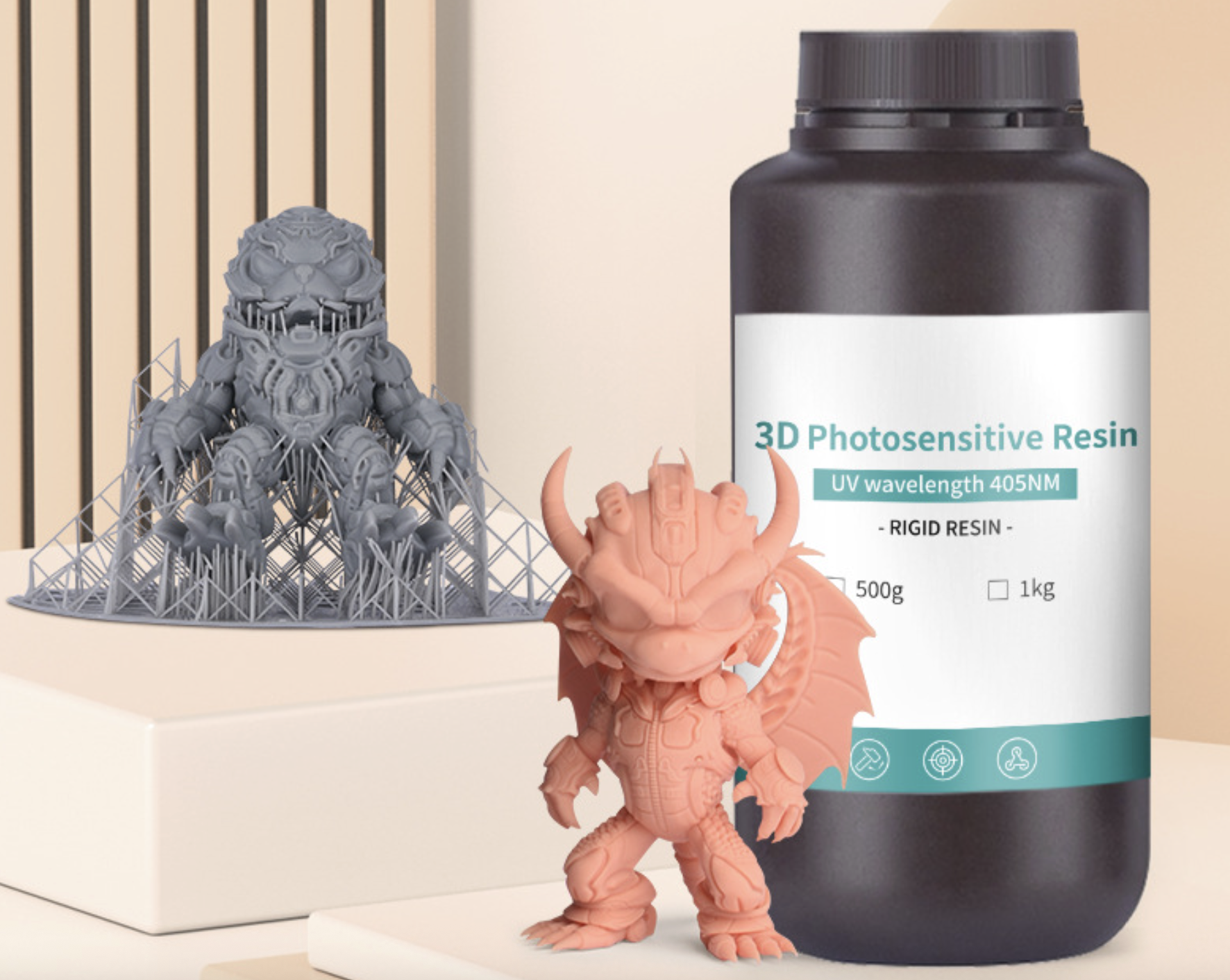
What Is High-Strength ABS Resin?
High-Strength ABS Resin (Acrylonitrile Butadiene Styrene) is a
thermoplastic polymer known for its excellent balance of toughness,
impact resistance, and machinability. Compared to standard ABS,
high-strength variants are engineered to provide improved mechanical
properties, including:
- Higher tensile strength
- Better heat resistance
- Enhanced durability under stress
- Improved layer adhesion (especially in 3D printing)
Why ABS Resin Is Widely Used
The reason ABS is so widely used lies in its versatility. It can be:
- Injection molded
- CNC machined
- 3D printed
- Thermoformed
This makes it ideal for industries such as automotive, consumer
electronics, aerospace, and prototyping.
Key Properties That Affect Professional Results
Understanding material properties is crucial if you want to truly master
How to Achieve Professional Results with High-Strength ABS Resin.
1. Thermal Stability
ABS softens at high temperatures, which allows easy shaping but also
requires controlled cooling to avoid warping.
Why it matters:
Improper temperature control leads to deformation, poor surface finish,
and structural weaknesses.
2. Impact Resistance
High-strength ABS absorbs shock without cracking.
Why it matters:
This is critical for functional parts like enclosures, tools, and
automotive components.
3. Chemical Resistance
ABS resists many acids and alkalis but is vulnerable to solvents like
acetone.
Why it matters:
This property is useful for post-processing (e.g., acetone smoothing).
Step-by-Step Guide: How to Achieve Professional Results with High-Strength ABS Resin
Step 1: Material Preparation
Before processing, ensure your ABS resin is dry and clean.
How to do it: – Store ABS in a dry environment
- Use a filament dryer (for 3D printing) at ~60°C for 2–4 hours
- Avoid moisture exposure
Why:
Moisture causes bubbling, weak layers, and poor surface finish.
Step 2: Optimize Processing Temperature
Different processes require different temperature settings:
Process Type Temperature Range
3D Printing Nozzle 220–260°C
Heated Bed 90–110°C
Injection Molding 200–250°C
Why:
Correct temperature ensures proper flow, bonding, and structural
integrity.
Step 3: Control Cooling and Warping
ABS is prone to warping due to uneven cooling.
Best practices: – Use an enclosed printing chamber
- Maintain ambient temperature stability
- Avoid drafts or sudden cooling
Why:
Controlled cooling minimizes internal stress and dimensional distortion.
Step 4: Improve Bed Adhesion
For 3D printing, adhesion is critical.
Methods: – Use PEI sheets
- Apply ABS slurry (ABS dissolved in acetone)
- Use Kapton tape
Why:
Poor adhesion leads to print failure and uneven geometry.
Step 5: Layer Optimization
Layer height and print speed significantly affect results.
Recommended settings: – Layer height: 0.1–0.2 mm
- Print speed: 40–60 mm/s
Why:
Smaller layers improve detail and strength, while controlled speed
ensures consistent extrusion.
Step 6: Post-Processing Techniques
Post-processing transforms good parts into professional-grade products.
Common Methods:
1. Sanding – Start with 200 grit → finish with 1000+ grit
2. Acetone Vapor Smoothing – Place part in a sealed container with
acetone vapor
3. Painting and Coating – Apply primer before painting
Why:
These steps enhance aesthetics, remove layer lines, and improve surface
finish.
Real-World Case Study
Case: Automotive Dashboard Prototype
A design team needed a durable prototype for dashboard testing.
Challenges: – Heat resistance
- Impact durability
- Smooth finish
Solution: – Used high-strength ABS resin
- Applied enclosed 3D printing
- Performed acetone smoothing
Results: – Achieved near-production-level finish
- Passed thermal and mechanical tests
- Reduced prototyping cost by 40%
FAQ: How to Achieve Professional Results with High-Strength ABS Resin
Q1: Why is my ABS print warping?
Warping is usually caused by uneven cooling or insufficient bed
adhesion. Use an enclosure and increase bed temperature.
Q2: Can ABS be used outdoors?
ABS has moderate UV resistance but may degrade over time. Consider UV
coatings or ASA as an alternative.
Q3: Is ABS better than PLA?
ABS is stronger and more heat-resistant, but harder to print. PLA is
easier but less durable.
Q4: How do I get a glossy finish?
Use acetone vapor smoothing followed by polishing.
Conclusion
Mastering How to Achieve Professional Results with High-Strength ABS
Resin requires a combination of technical knowledge, practical
experience, and attention to detail.
Tags & Keywords
High-StrengthABSResin、ABS3DPrinting、IndustrialABSApplications、ABSInjectionMolding、ABSPostProcessing、ABSResinTips、EngineeringPlastics、3DPrintingMaterials、ManufacturingGuide、ABSFinishingTechniques