
Add a Metallic Glow: Why Silk PLA is Perfect for Home Decor
When it comes to elevating the aesthetic of your living space with 3D printing, few materials offer the same instant gratification as Silk PLA. To add a metallic glow: why Silk PLA is perfect for home decor is a question many enthusiasts ask when they transition from printing functional prototypes to creating high-end interior accents. The unique visual properties of this filament allow you to add a metallic glow: why Silk PLA is perfect for home decor becomes evident the moment the light hits a finished print, transforming a simple plastic object into something that looks like polished copper, brushed aluminum, or luxurious gold. Unlike standard PLA, which often results in a matte or waxy finish that screams “plastic,” Silk PLA provides a deep, lustrous sheen that mimics the reflective properties of precious metals and silk fabrics, making it the premier choice for modern interior design.
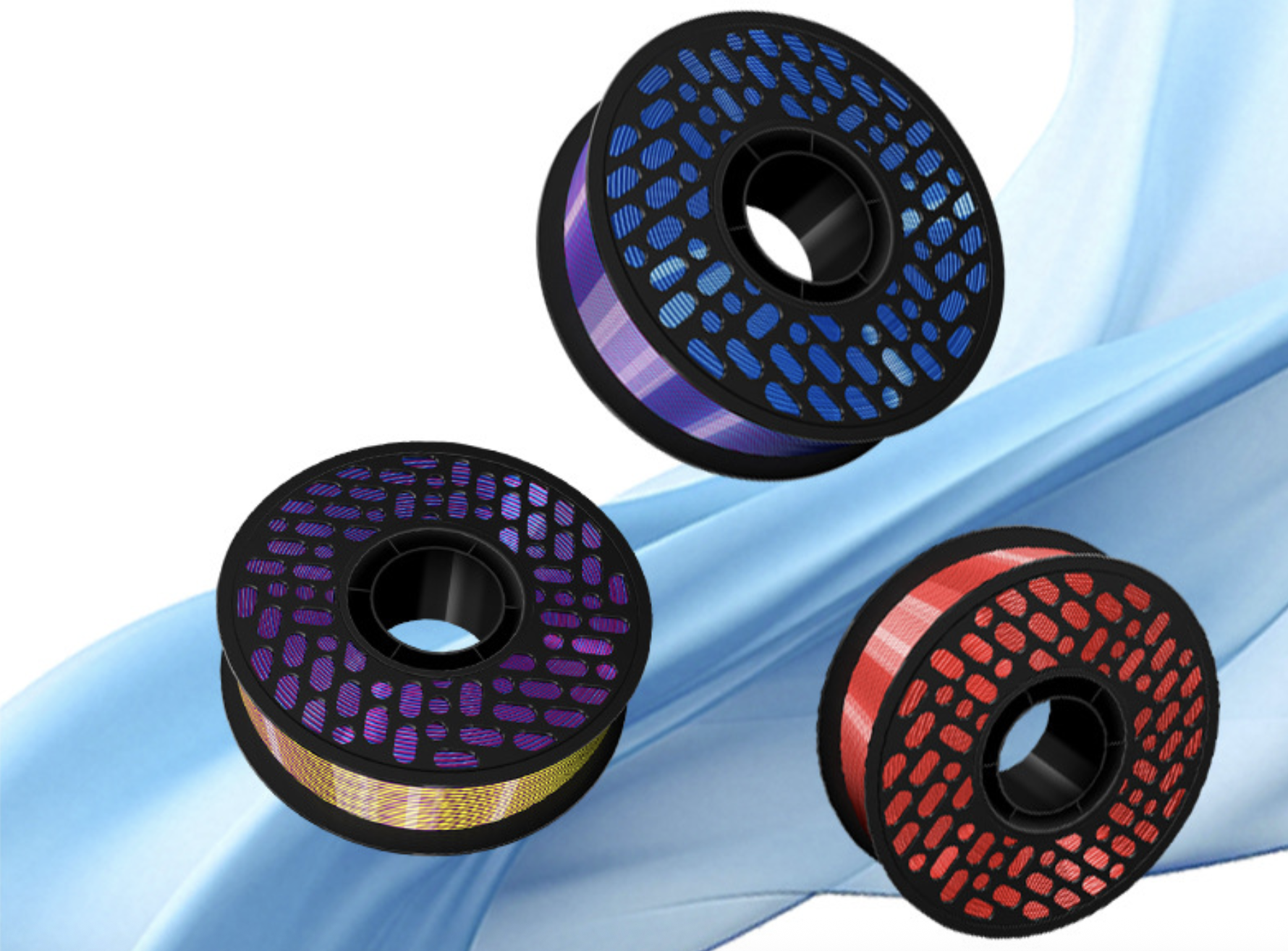
Understanding the Magic: What is Silk PLA?
Before diving into the “how-to,” we must understand the “why” behind the material. Silk PLA is not a completely different polymer but a sophisticated blend. It is typically composed of a standard Polylactic Acid (PLA) base mixed with specific additives—most commonly elastomers and polyester-like materials. These additives are what create that signature pearlescent finish.
The Science of the Sheen
The reason Silk PLA looks so different from its counterparts lies in light scattering. While standard PLA scatters light in many directions (diffuse reflection), the additives in Silk PLA align during the extrusion process to create a smoother surface at a microscopic level. This allows for specular reflection, where light bounces off the surface in a more concentrated manner, creating that “glow” we associate with satin or metal.
Why It Surpasses Standard PLA for Decor
Standard PLA is fantastic for structural integrity, but it often requires extensive post-processing—sanding, priming, and painting—to look professional. Silk PLA skips these steps. It hides layer lines more effectively because the reflection of light draws the eye toward the overall form rather than the minute ridges of the print. This efficiency is why it is becoming the backbone of the “Print-on-Demand” home decor industry.
Why Silk PLA is Perfect for Home Decor: Visual and Practical Benefits
1. The Luxury Aesthetic Without the Weight
One of the primary reasons to add a metallic glow: why Silk PLA is perfect for home decor is the ability to create massive statement pieces that look heavy and expensive but are actually lightweight and easy to mount. Imagine a 30cm tall “Gold” geometric vase. If it were real gold or brass, it would be prohibitively expensive and dangerously heavy for a glass shelf. A Silk PLA version costs roughly $2 in material and can be moved with a single finger.
2. Exceptional Layer Hiding
Layer lines are the nemesis of 3D printing aesthetics. Because Silk PLA is so shiny, the highlights and shadows created by its luster tend to mask the horizontal lines inherent in FDM (Fused Deposition Modeling) printing. This creates a “machined” or “molded” look that is difficult to achieve with matte filaments without hours of labor-intensive sanding.
3. Color Depth and Vibrancy
Silk filaments aren’t just limited to silver and gold. Manufacturers now produce “Silk Rainbow,” “Dual-Tone Silk,” and even “Triple-Tone Silk.” These filaments change color depending on the angle from which you view them, adding a dynamic, interactive element to your home decor that static store-bought items simply cannot match.
Top Home Decor Applications for Silk PLA
To truly appreciate why you should add a metallic glow: why Silk PLA is perfect for home decor, let’s look at specific projects where this material shines brightest:
| Decor Item | Recommended Silk Color | Why it Works |
| Geometric Vases | Rose Gold or Copper | The sharp angles catch the light, highlighting the metallic transitions. |
| Wall Art / Reliefs | Silver or Gunmetal | Provides a sleek, industrial look that mimics high-end aluminum art. |
| Lamp Shades | Pearl White or Champagne | The slight translucency combined with the silk finish creates a soft, warm glow. |
| Picture Frames | Antique Gold | Gives a classic, regal look to modern digital or physical prints. |
| Sculptures | Bronze | Captures the “lost wax” casting aesthetic at a fraction of the cost. |
Step-by-Step Guide: How to Print Perfect Silk Decor
Printing with Silk PLA requires a slightly different approach than standard PLA. If you want to successfully add a metallic glow: why Silk PLA is perfect for home decor, follow these detailed technical steps.
Step 1: Temperature Calibration (The Secret to Shine)
Why: Silk PLA generally requires higher temperatures than standard PLA. The “silk” additives need heat to flow smoothly and achieve maximum reflectivity.
-
Action: Increase your nozzle temperature by 5-10°C above your usual PLA settings. If you usually print at 200°C, try 210°C or 215°C.
-
Result: A hotter melt results in a glossier finish. Lower temperatures often result in a duller, matte-like appearance.
Step 2: Slower Print Speeds
Why: Speed is the enemy of shine. When the printer moves too fast, the filament is “stretched,” which can disrupt the alignment of the pearlescent additives.
-
Action: Set your outer wall speed to 30-40mm/s.
-
Result: This gives the material time to settle and ensures a consistent reflection across the entire surface of your decor piece.
Step 3: Layer Height Optimization
Why: For home decor, the goal is a seamless look.
-
Action: Use a layer height of 0.12mm or 0.16mm. While 0.2mm is faster, the finer layers interact better with the metallic particles in the filament.
-
Result: The “glow” appears more continuous, resembling a solid piece of metal rather than a stacked 3D print.
Step 4: Mastering Retraction
Why: Silk PLA is notoriously “oozy” because of the elastomers used to give it that silk texture.
-
Action: Increase your retraction distance slightly (by 0.5mm) and ensure your “Travel” speed is high.
-
Result: This prevents “stringing,” which can be a nightmare to clean off a shiny surface without leaving scuff marks.
Pro Tips for Designing Home Decor with Silk PLA
Embrace the “Vase Mode”
One of the best ways to add a metallic glow: why Silk PLA is perfect for home decor is using the “Spiralize Outer Contour” setting (Vase Mode) in your slicer.
-
Why: Since there is only one continuous perimeter and no “Z-seam,” the metallic reflection is completely uninterrupted.
-
Example: A spiral-twisting vase printed in Silk Blue looks like a piece of high-end Italian glass art.
Lighting is Everything
The beauty of Silk PLA is reactive. When placing your prints in your home:
-
Avoid Flat Lighting: Don’t put a silk print in a room with only flat, overhead fluorescent light.
-
Use Accent Lighting: Place your Silk PLA decor near a window or under a spotlight. The directional light will highlight the “glow” and create deep shadows that emphasize the geometry.
Comparing Silk PLA to Other “Aesthetic” Filaments
| Feature | Silk PLA | Wood Fill PLA | Marble PLA | Matte PLA |
| Visual Goal | Metallic/Shiny | Organic/Rustic | Stone/Classic | Modern/Clean |
| Ease of Print | Easy | Medium (Clogs) | Easy | Very Easy |
| Post-Processing | Not Needed | Required (Sanding) | Minimal | Minimal |
| Durability | Moderate | Lower | Moderate | Moderate |
As the table shows, Silk PLA is the undisputed king of “Low Effort, High Reward.” While Wood Fill requires sanding and staining to look authentic, Silk PLA looks premium the second it leaves the build plate.
Case Study: The “Golden Buddha” Interior Project
A local interior designer was tasked with staging a luxury apartment but had a limited budget for accessories. Instead of buying expensive brass sculptures, we used a high-quality Silk Gold PLA to print three different sized abstract sculptures.
-
The Challenge: The prints needed to withstand close scrutiny by potential buyers.
-
The Solution: We printed at 0.10mm layer height with a 100% flow rate on the outer walls to ensure a solid, metallic look.
-
The Outcome: The pieces were so convincing that several viewers asked which gallery they were purchased from. The total cost of filament was less than $10, whereas the equivalent metal sculptures would have cost over $450. This perfectly illustrates why you should add a metallic glow: why Silk PLA is perfect for home decor.
Maintenance and Care for Silk PLA Decor
While Silk PLA is beautiful, it is still a thermoplastic. To ensure your home decor lasts for years, follow these maintenance tips:
-
Keep Out of Direct Summer Sun: Like all PLA, it has a low glass transition temperature (around 60°C). A Silk PLA vase sitting in a window that gets 40°C direct sun can soften or warp over time.
-
Dust with Microfiber: To maintain the “metallic glow,” use a soft microfiber cloth. Avoid abrasive sponges, as they will scratch the shiny surface and turn it matte.
-
Avoid Water for Long Periods: While PLA is generally fine with moisture, some Silk additives can be slightly more hygroscopic. If using as a vase, consider using a plastic liner or “waterproofing” the interior with a food-safe epoxy.
Frequently Asked Questions (FAQ)
Q1: Is Silk PLA more brittle than regular PLA?
A: Yes, generally. The additives that create the shine can slightly reduce the interlayer adhesion compared to “tough” or “pro” PLA. It is perfect for decor, but I wouldn’t use it for a mechanical hinge or a load-bearing bracket.
Q2: Why is my Silk PLA print looking dull?
A: This is almost always due to temperature. If the nozzle isn’t hot enough, the “silk” particles don’t align properly. Try increasing your temperature by 5°C increments. Also, check your cooling fan; sometimes too much cooling can “freeze” the plastic before it has time to form that glossy surface.
Q3: Can I sand Silk PLA?
A: You can, but you shouldn’t. Sanding destroys the reflective surface. If you have a blemish, it is better to carefully use a heat gun to lightly melt the surface back to a shine, or simply reprint the piece with better settings.
Q4: Does Silk PLA hide the “Z-seam” better?
A: Actually, it can sometimes highlight it because the seam disrupts the reflection. To combat this, set your seam to “Aligned” or “Back” in your slicer, or use “Scarf Seams” if your slicer supports it.
Q5: Is it safe for plants?
A: For air plants or dried flowers, it’s perfect. For living plants, be aware that 3D prints are porous. Bacteria can grow in the layer lines, and water may eventually seep through. Use a sealant if you plan to hold water.
Conclusion: Elevate Your Space Today
The ability to add a metallic glow: why Silk PLA is perfect for home decor lies in its unique intersection of chemistry and art. It bridges the gap between “hobbyist 3D printing” and “high-end interior design.” By understanding the technical requirements—higher heat, slower speeds, and strategic lighting—anyone with a 3D printer can transform a roll of plastic into a centerpiece that captures the imagination.
Whether you are looking to create a futuristic vibe with Gunmetal Grey or a warm, inviting atmosphere with Silk Champagne, this material offers a level of sophistication that is unmatched in the world of FDM printing. Start small with a simple vase, and you will quickly see how that subtle metallic glow changes the entire energy of your room.
3DPrinting,SilkPLA,HomeDecor,InteriorDesign,MetallicFinish,DIYProjects,PLAFilament,CreativePrinting,VaseMode,HomeAesthetics